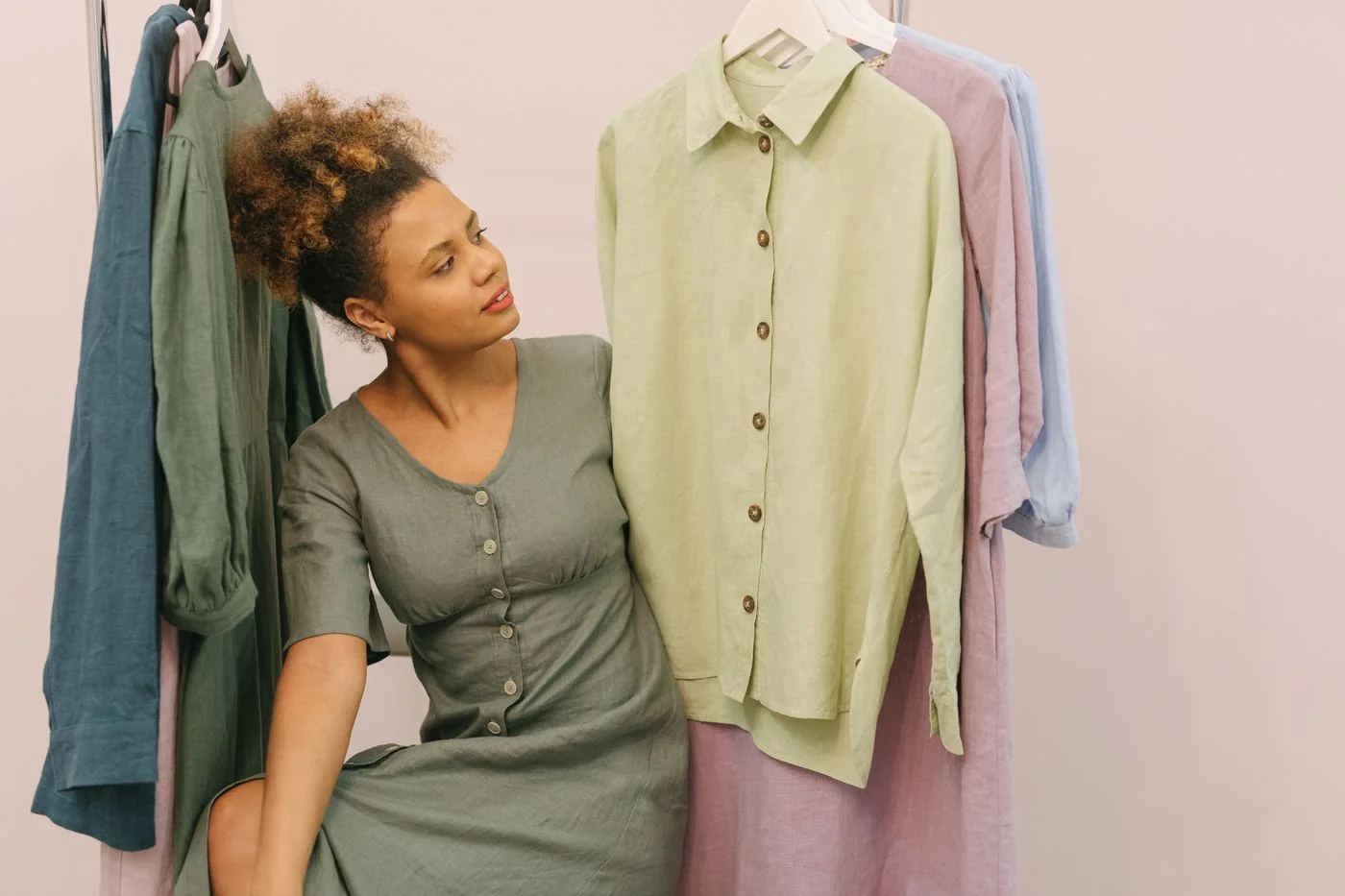
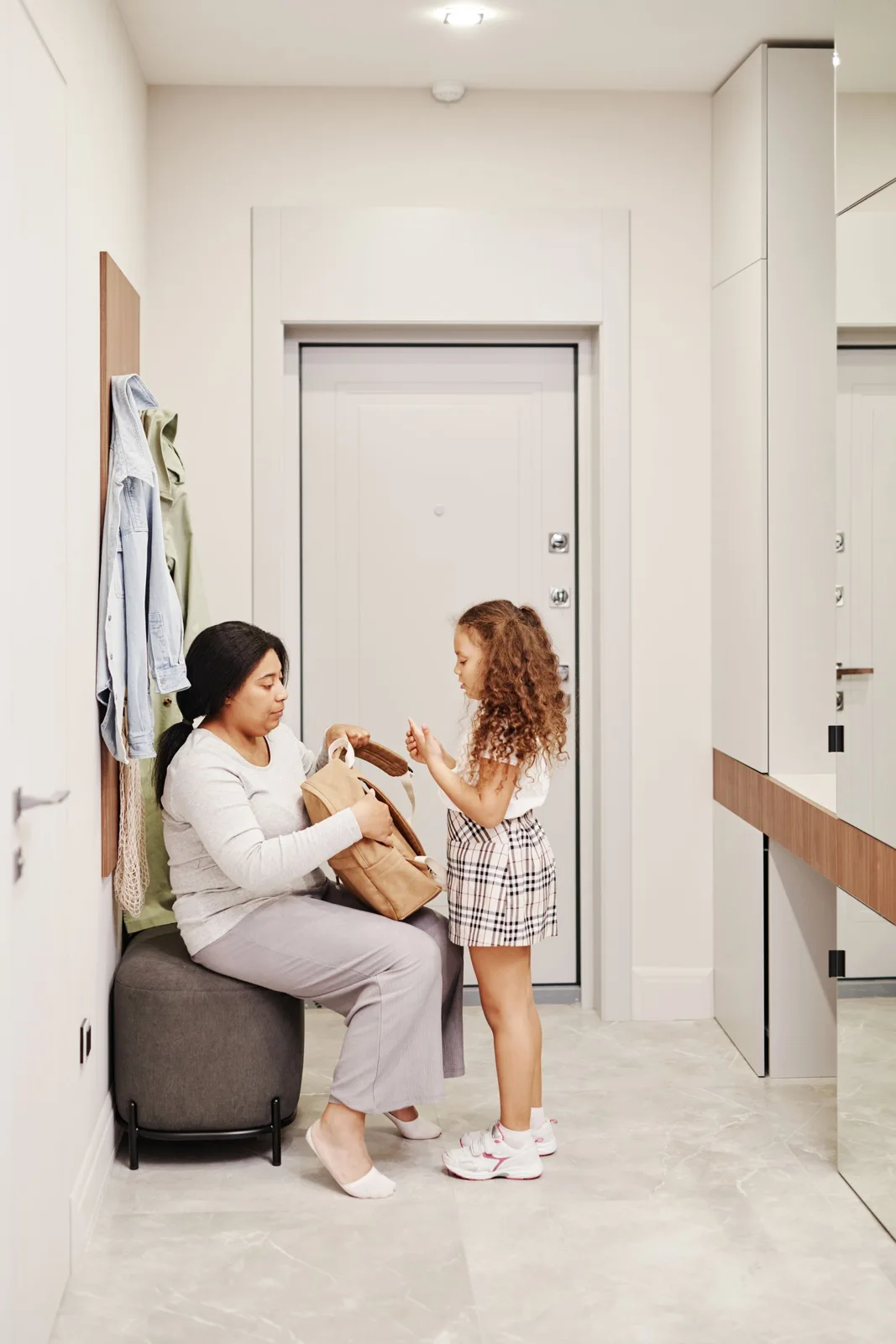
Compare a Parent’s Shoes With Two Retained Outfits
Compare a parent’s retained shoes with two real outfits, checking their visible role and suitable intended use before assuming each clothing combination needs a separate pair.
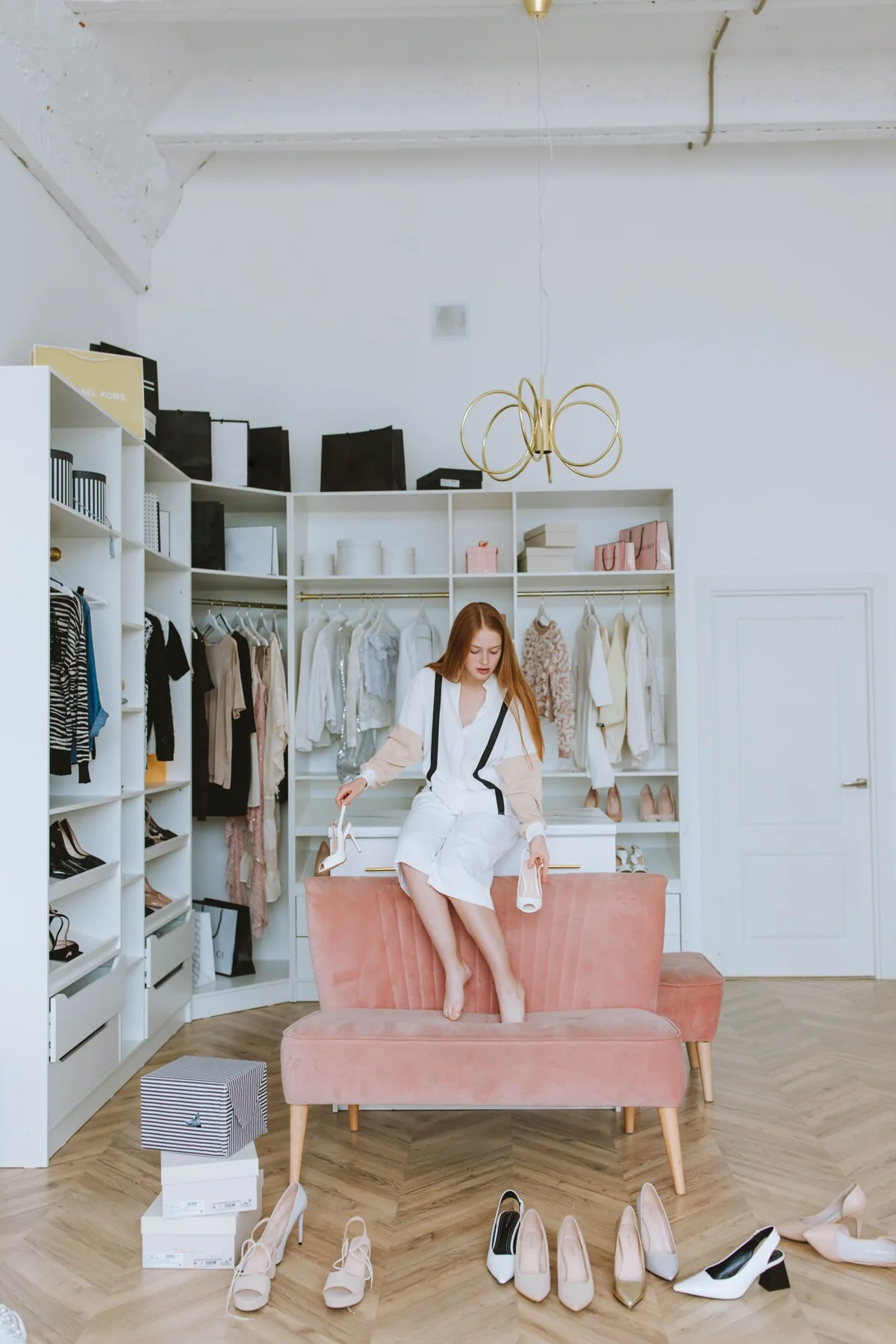
Choose two outfits you actually repeat
A shoe can work differently with trousers and a dress, but that does not mean every outfit needs its own pair. Begin with two retained combinations you genuinely wear during an ordinary week. Include the actual hem lengths and suitable layers rather than building hypothetical outfits around a new shoe.
Name the activities each outfit serves. A parent moving between errands, indoor time and a family visit needs suitable equipment for those real conditions. Visual comparison comes after the basic question of whether the shoes are appropriate for the intended use.
Keep the shoes constant first
Try the same retained pair with the first outfit and then the second. Look at the amount of shoe visible, the color relationship and the complete outline. A pair can supply a quiet base in one group and a stronger contrast in another.
Do not treat a familiar color as proof of compatibility. The shape and visible scale also matter. A broad shoe beneath a narrow trouser hem creates a different relationship from the same pair beside a flowing skirt. Describe the difference rather than searching immediately for a matching replacement.
Include ordinary experience
Use your relevant experience of the pair and the maker's actual information for fit, care and intended use. A pleasing mirror view cannot establish comfort for your feet or suitability for an activity. An unfamiliar shoe should not be assigned a demanding day solely because it completes the colors.
Keep any try-on within the retailer's or setting's arrangements. Do not simulate an outdoor test in an inappropriate place or assume a few indoor steps prove a full day's experience. A familiar suitable option may be the clearer choice while a new pair remains uncertain.
Look for one useful outfit change
If the shoes work with one combination but not the other, identify why. A retained different trouser or simpler accessory may resolve the visual issue without another shoe purchase. Change one piece at a time so the effect remains understandable.
If a genuine gap remains, record the intended activities and the two clothing references. That gives a future comparison a practical purpose. Avoid a vague note that you need something more versatile without naming the actual outfits and requirements.
Keep the successful pairings in a small private outfit reference if it helps the week. You do not need to rank the entire shoe collection or create a permanent rule for every parent. The useful result is knowing which suitable retained pair serves more than one real combination, and where a specific limitation remains. Two honest outfit comparisons can reduce uncertain shopping while preserving the clothes you already enjoy wearing.
Label the two outfit references by their actual garments, such as retained straight trousers and the dress you repeat for visits. A shoe that works in both has a clear role. A third imaginary outfit does not need to enter the decision.
Related reading
Parent Outfits for the Day That Keeps Changing Plans, A Family Capsule Wardrobe That Leaves Room for Real Life.