Check Clothing Fasteners Before Buying an Independent-Dressing Outfit
Compare everyday clothing closures through a realistic dressing trial, including sitting, layers and the small details that slow a child down.
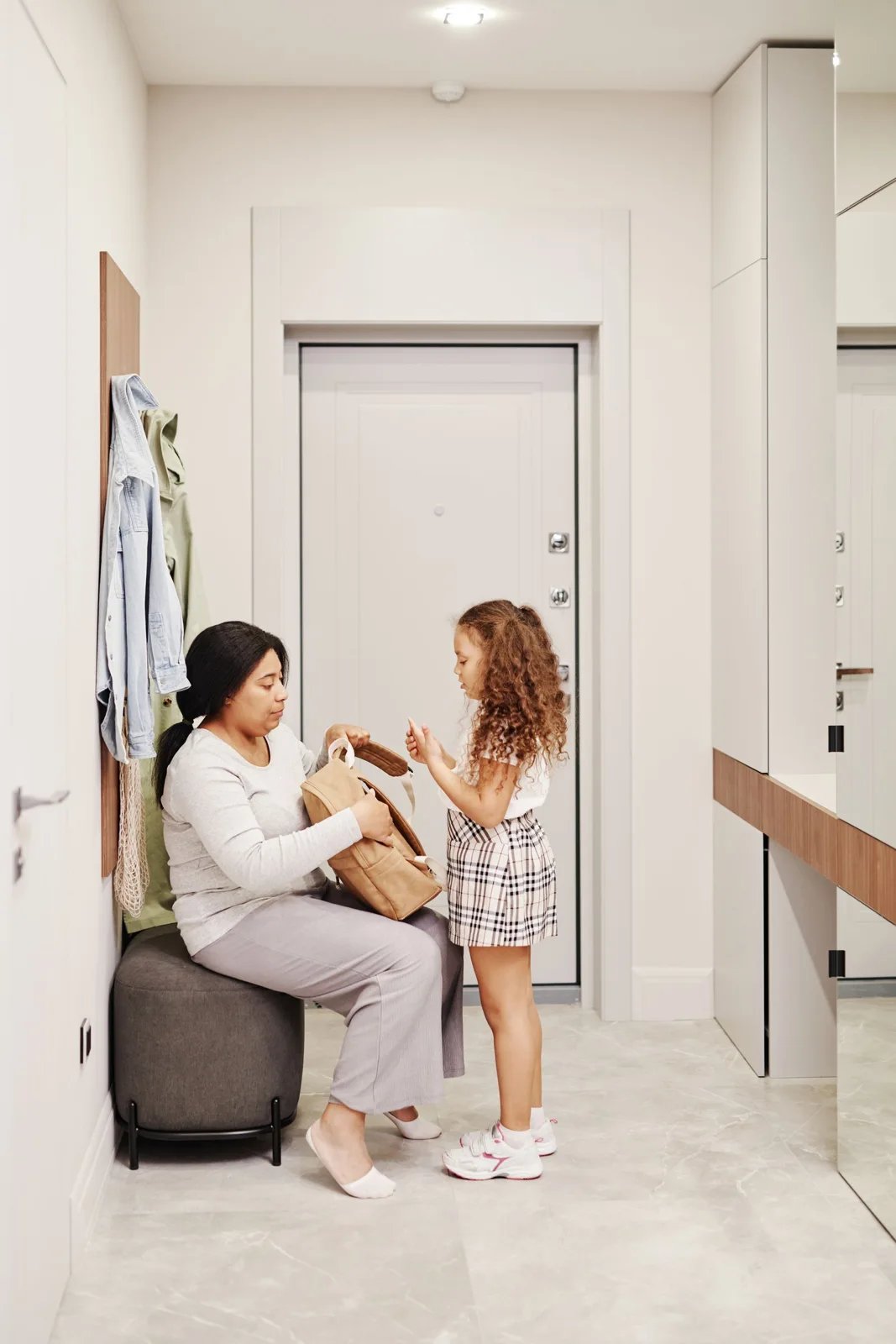
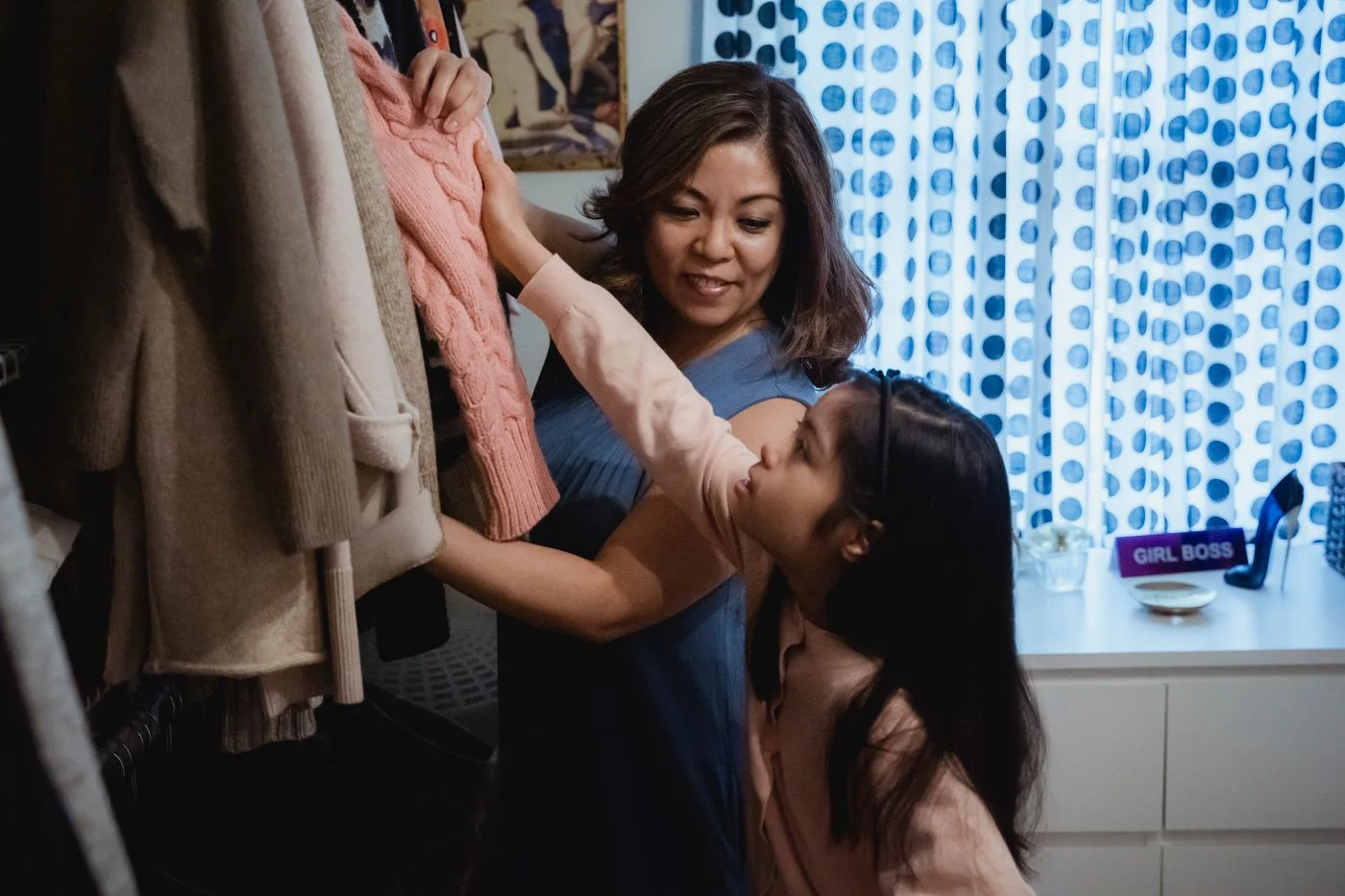
Clothing can be the right size and still make an ordinary morning difficult. A zip catches its lining, a tiny button is hard to reach, or a trouser fastening feels manageable only while standing. Before buying several versions of an appealing outfit, check how its closures work during the child’s actual dressing routine.
Try the whole sequence
Where a fitting trial is possible, begin with the clothing the child would normally wear underneath. Follow the retailer’s fitting and return conditions and keep the garment clean. Ask the child to put the item on and take it off at an unhurried time, with appropriate help available.
Watch where the sequence stops. The problem may be reaching a fastening, finding the zip’s starting point or keeping fabric clear while closing it. Naming that step gives a more useful shopping criterion than deciding that all buttons or all zips are unsuitable.
Look at access as well as the closure
Check whether a coat opens wide enough for the layers usually worn beneath it. Notice whether sleeves twist during dressing and whether a fastening is hidden under overlapping fabric. A large pull tab cannot fix a garment that is awkward to put on before the zip is reached.
Try sitting, bending and moving normally once the item is fastened. Check for uncomfortable pressure and ask the child how it feels. Do not use a successful standing photograph as the only fit check. An outfit for school or a family day needs to work away from the mirror.
Compare realistic alternatives
An elasticated waist can simplify dressing, but it still needs to fit comfortably and remain appropriate for the garment’s intended use. A button may give a child a useful skill to practise while requiring more time at first. Hook-and-loop closures can be easy to find, yet their feel, sound and care requirements will not suit every preference.
Avoid adding improvised attachments or changing a closure without considering the garment’s instructions and suitability. If alteration is being considered, ask an appropriate professional what is possible. A modification should solve the specific difficulty without introducing loose parts or changing how the item is meant to function.
Separate practice clothing from rushed clothing
A quiet afternoon offers more room to learn than the last five minutes before leaving home. Keep an outfit the child can already manage available for rushed days. Practise one unfamiliar closure at a time instead of making an entire new wardrobe the lesson.
Let the child’s preference remain part of the decision. A particular texture or neckline can be unwelcome even when the fastening is simple. Ask about the whole garment rather than treating independent dressing as a contest to complete one closure without help.
Keep the useful choice in rotation
After several ordinary wears, notice whether the closure still works smoothly. Follow the care label and check damaged or loose components before the item returns to regular use. A simple fastening that stays reliable may be more useful than a complicated detail that needs frequent attention.
Use our family wardrobe guide to put successful pieces into repeatable outfits. Start with one workable combination before buying multiples.
Dressing questions
Should every garment use the same fastening?
No. Keep reliable options for busy days and introduce other closures gradually where useful. Different activities and preferences may call for different clothing.
What if a child manages a closure in the shop but struggles at home?
Recreate the usual layers and position. Check whether tiredness, rushed timing or a change of fit alters the task before replacing the garment automatically.