Keep Two Adult Clothing Candidates Distinct During Family Shopping
Keep two adult clothing candidates distinct during family shopping, recording exact product identities and one useful difference before a busy outing blurs the comparison.
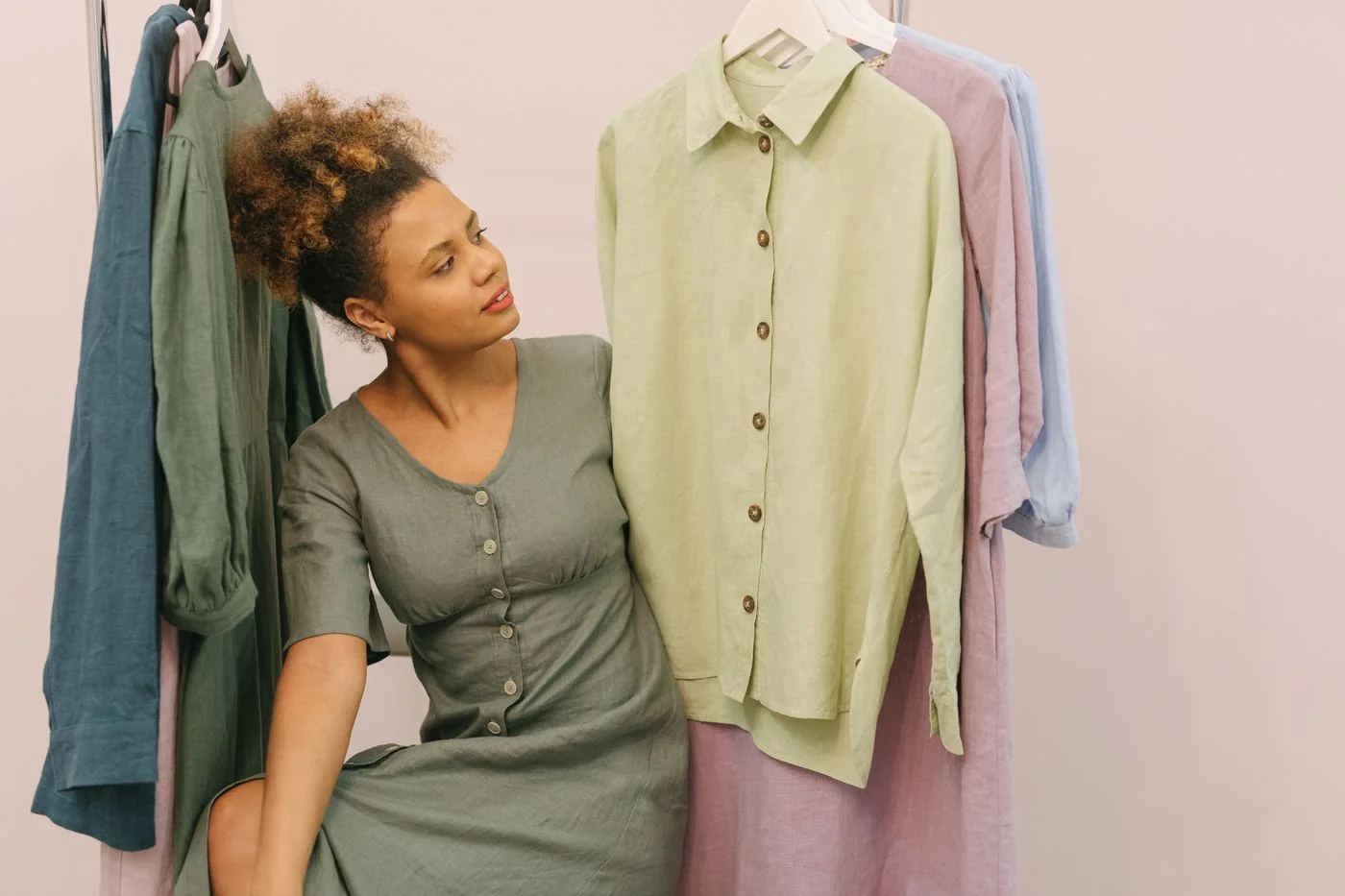
Compare two real candidates
A family shopping outing can contain several conversations and interruptions. If you are choosing an adult garment, limit the active comparison to two actual candidates rather than trying to remember an entire rail. Name the wardrobe role you are shopping for before handling the clothes.
The question may be a layer for ordinary errands or a top that works with retained trousers. Keep that purpose separate from clothing needs for other family members. One person's purchase should not silently become part of another person's fitting decision.
Keep each label attached to its item
Read the material, size and care information on the actual garment. Similar colors and familiar style names can conceal meaningful differences. Do not transfer a detail from one label to the shirt hanging beside it because the two looked almost identical.
If you want a private comparison note, record the exact product name or identifier permitted by the retailer. Follow the shop's photography and handling arrangements. A note called “the green one” may be insufficient once you are home and several similar products appear online.
Choose one deciding difference
Compare the same feature in both garments. A sleeve arrangement, surface finish or compatibility with a retained layer gives the decision a clear focus. Changing several outfit pieces at the same time makes it harder to identify why one candidate worked better.
Use an appropriate fitting comparison where available. Appearance on a hanger cannot establish suitable fit or comfort, and a photograph of another person cannot answer those questions for you. Keep any intended alteration as a separate question that needs real advice before purchase.
Allow the family outing to pause the choice
If attention is needed elsewhere, put the garments back appropriately and keep the clear note. You do not need to complete the purchase merely because you reached the fitting room. A decision made later with the retained outfit in view can be more useful than an uncertain duplicate brought home.
Keep retailer information about availability and returns with the actual item if it is relevant, rather than assuming a previous purchase has the same arrangements. Those details can change and should come from the current retailer information you consult.
At home, compare the candidates with the clothes they must join. Decide whether the recorded difference still matters. If both fill the same role as an item already owned, that is a reason to reconsider the need rather than invent another outfit requirement. A small accurate record lets the adult clothing choice remain understandable within a busy family day, without turning every interruption into pressure to buy quickly or restart the comparison from memory.
Use two separate note lines with the product identifier and the deciding difference. A care requirement belongs beside its own garment, not between both names. This small distinction matters when the family outing interrupts the comparison before a choice is made.
Related reading
Ask One Clear Question Before a Family Clothing Choice, Intentional Family Shopping: Give Every Purchase a Clear Job.