Compare a Check Overshirt With a Parent’s Retained Plain Top
Compare a check overshirt with a parent’s retained plain top, keeping pattern scale, neckline and the intended open view clear before adding another printed layer.
Let the check establish the pattern
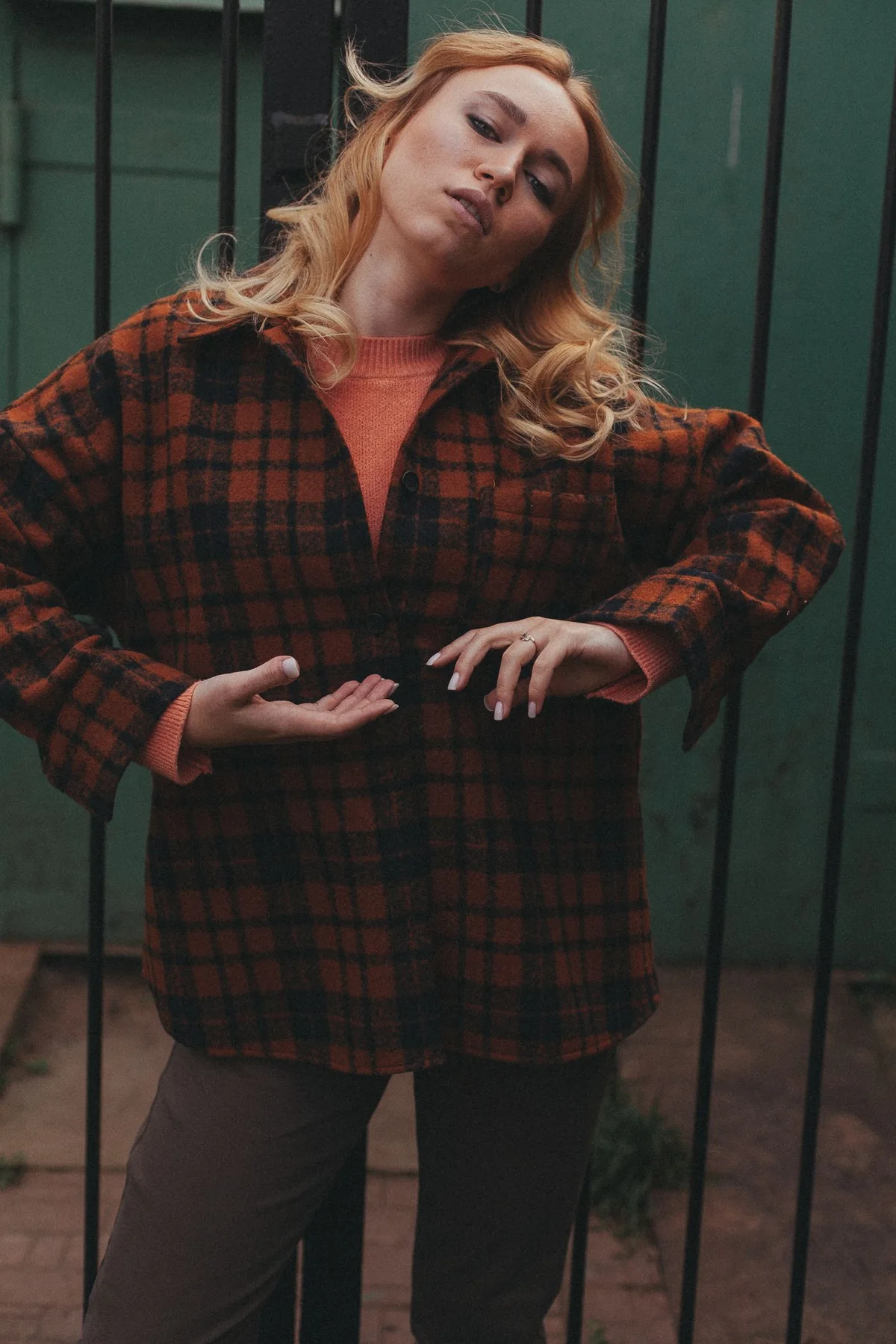
A checked overshirt can provide most of an outfit's visible pattern. Begin with a plain retained top and the lower garment you intend to wear. Look at the complete group before adding a scarf or another print that may compete with the check.
Keep the actual outer layer's design in view. An overshirt, shirt and jacket can have different construction and intended use even when their patterns look similar. Use the garment's own information rather than assigning it a role based solely on a styling photograph.
Compare the visible plain area
Use the overshirt's intended open arrangement if that is part of your routine. Notice how much of the retained top shows at the neckline and front. A dark plain surface can give the check a clear boundary, while a lighter one may create stronger contrast.
Change only the underlayer for the first comparison. Keep the lower garment and shoes steady so you can see what the top contributes. If two candidates work, name the different effect rather than trying to declare one color universally correct.
Keep the neckline readable
A high collar, a low neckline and a detailed trim each create another shape within the opening. Start with the simplest suitable retained option. If the area feels crowded, remove an optional necklace before assuming the outer layer needs replacing.
Compare the outfit from an ordinary distance as well as close to the mirror. Fine checks can merge into texture, while a large pattern remains distinct. The plain area may need only enough contrast to keep the opening clear, not an exact match to one tiny line in the fabric.
Include the day's actual use
A parent wearing the group for errands or a family visit still needs suitable fit, movement and care. Use the actual garments and ordinary movements to check the combination. A pleasing pattern relationship does not establish weather protection or suitability for every activity.
If another coat is required, compare that retained layer too. Extra collar or sleeve bulk can change the group. Do not assume a soft-looking overshirt will fit beneath every outer garment without a real comparison.
Keep the successful combination in a small outfit note, naming the plain top and the intended outer arrangement. If the check already supplies enough detail, leave the rest quiet rather than buying matching accessories for each color it contains. The useful result is a repeatable parent outfit with one clear patterned feature. The plain retained top earns its role by making that feature readable and supporting the actual day, not by disappearing into an elaborate coordinated set.
A clear comparison uses the same check layer with two plain tops and unchanged trousers. Name which opening you prefer: softer contrast or a stronger dark boundary. The exact color choice can remain specific to those retained garments.
Related reading
Choose Different Suitable Layers for One Family Outing, Parent Outfits for the Day That Keeps Changing Plans.