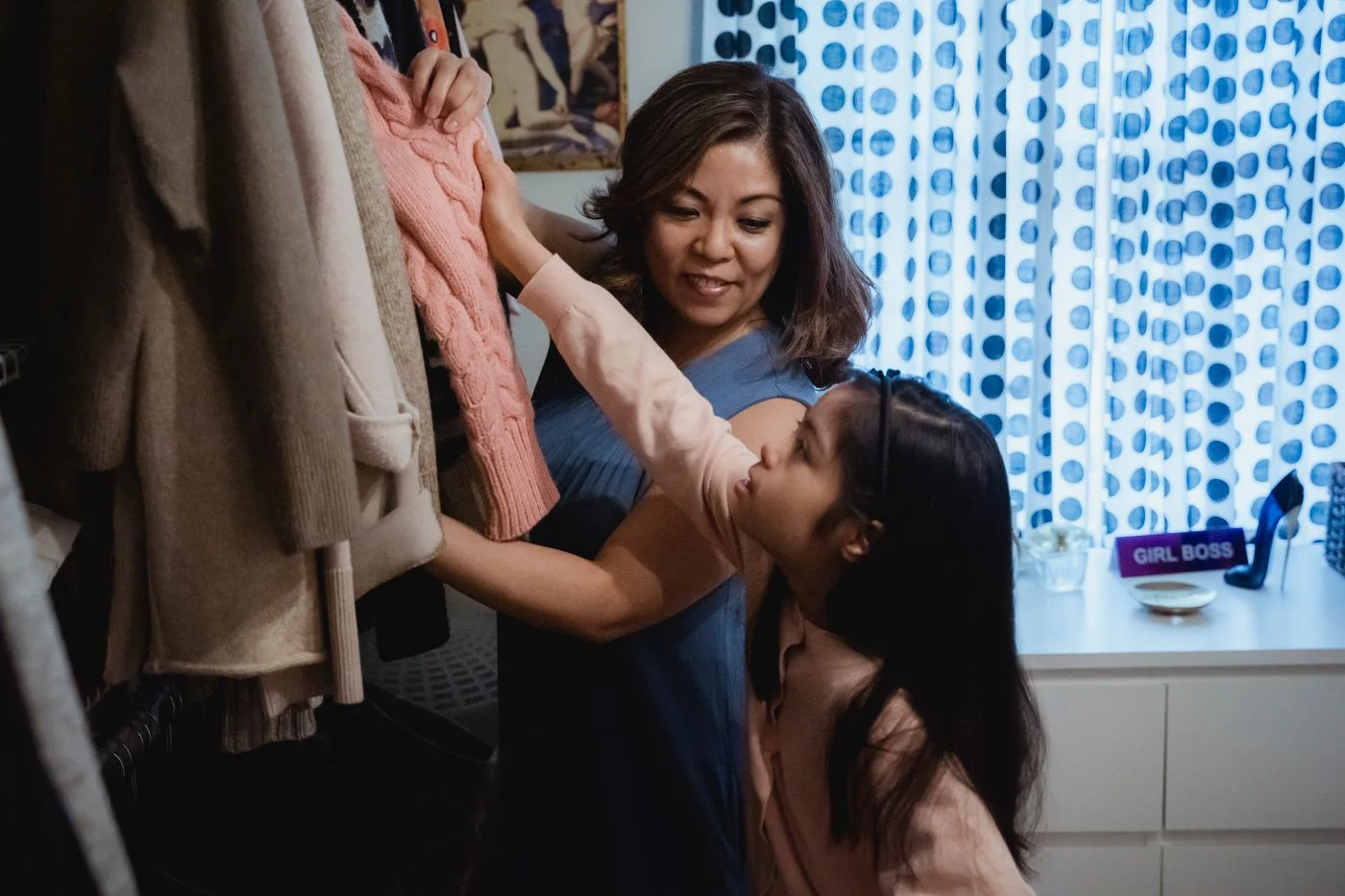
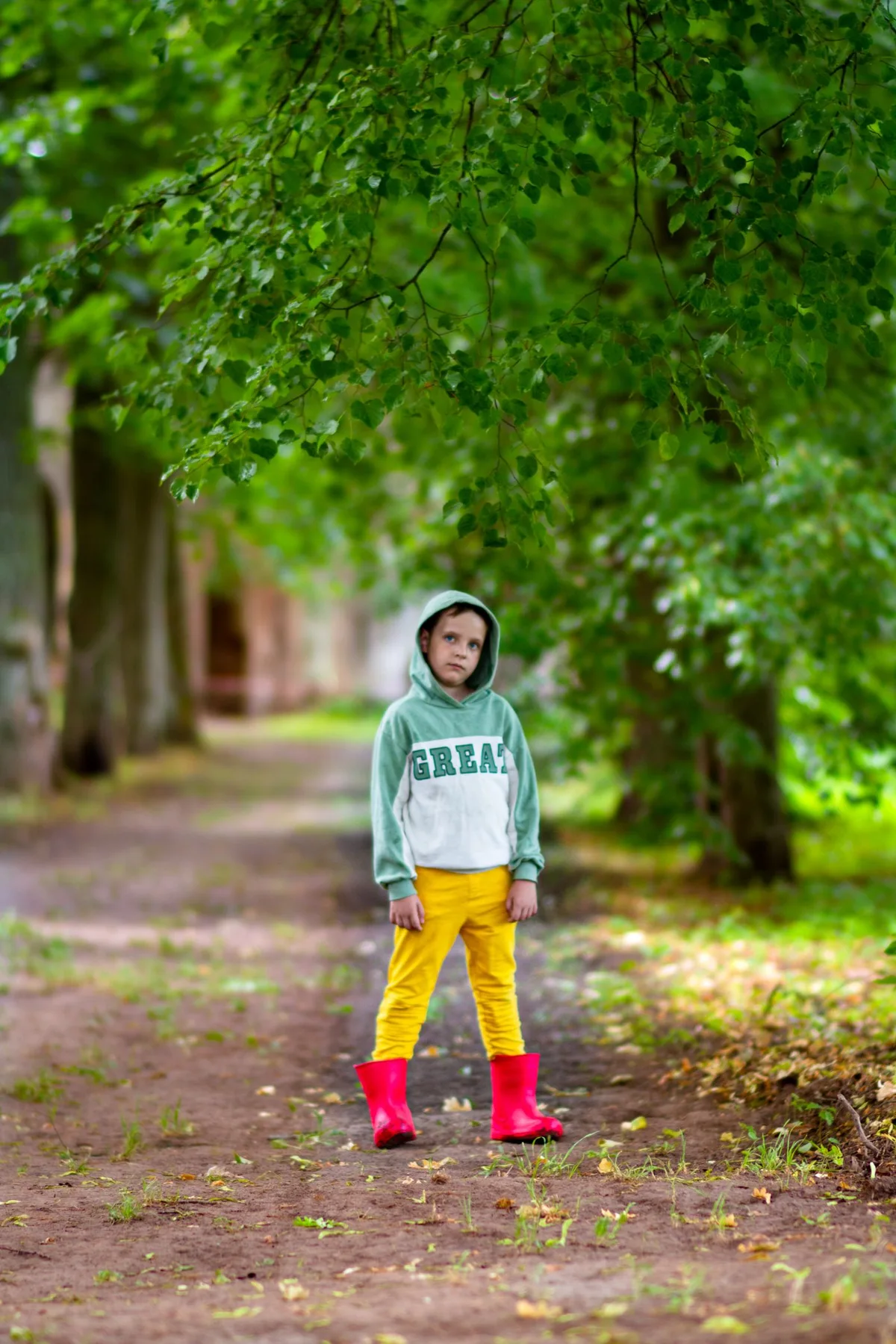
Parent Outfits for the Day That Keeps Changing Plans
Build comfortable outfit formulas for school drop-off, work, errands, and playground time without buying a separate wardrobe for each.
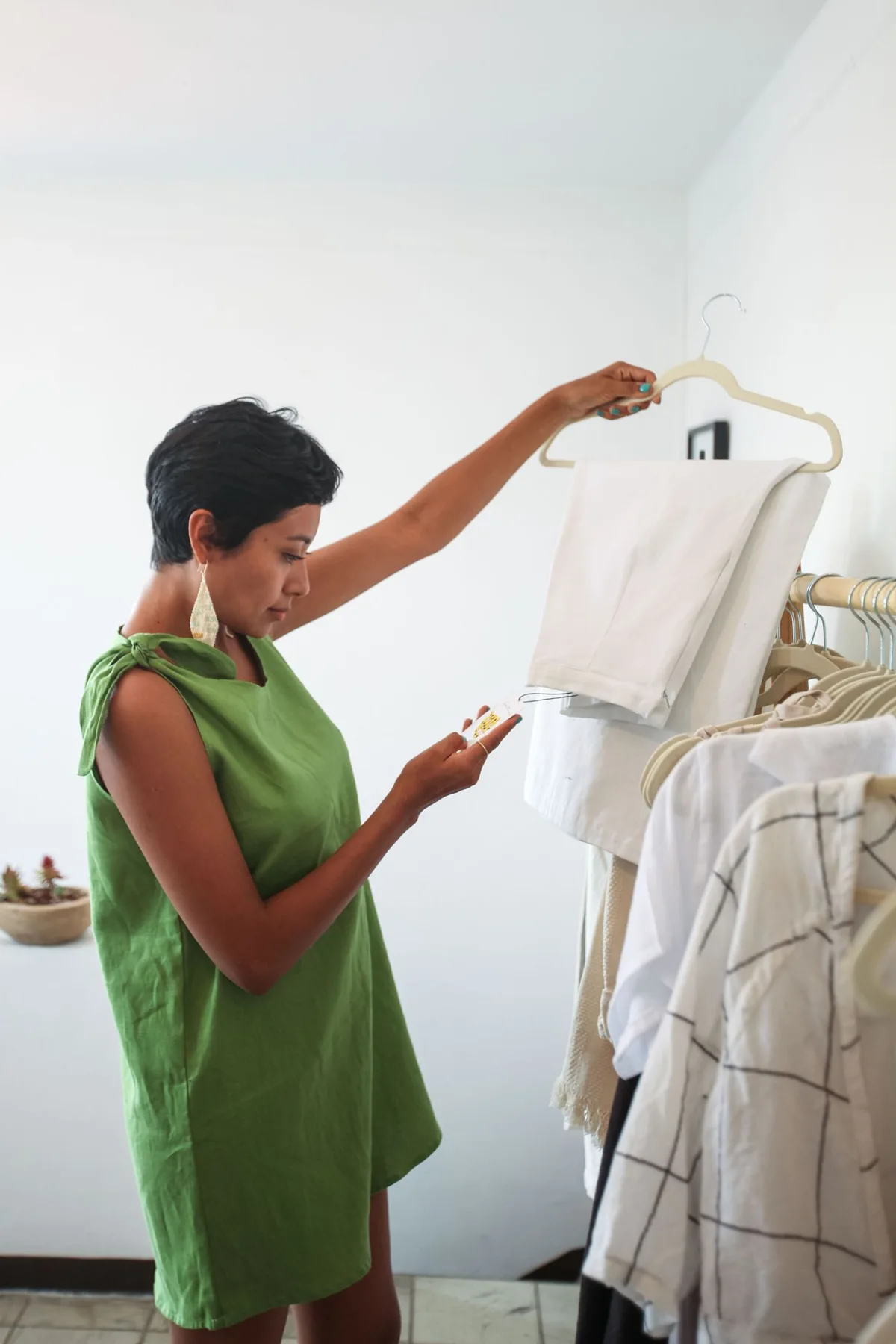
Some days move from a school gate to a video meeting, then to a grocery store and the playground. Dressing for every stop separately is impractical. A useful outfit formula keeps the most demanding activity in mind while allowing a small adjustment for everything else. Comfort and a sense of personal style can share the same plan.
Start with the point in the day when clothes are most likely to become inconvenient. That could be sitting on a low chair, walking a long distance, or appearing on camera. Use that moment to test what you already own before shopping for an imagined version of a busy parent wardrobe.
Build from a dependable bottom half
Trousers that stay comfortable while sitting often make a better foundation than a top chosen first. Try a full range of movement: bend, sit, reach, and walk. A rigid waistband may work for a short dinner but feel distracting during errands. Equally, very soft trousers may not offer the shape or pockets you want for work.
Choose the tradeoff that fits your routine. Straight jeans, pull-on trousers, a washable skirt, or a simple dress can all work. Check where pockets sit and whether a phone makes the fabric sag. Those small details affect daily use more directly than the name of a trend.
Add one layer that changes the impression
A cardigan, relaxed jacket, or overshirt can make a basic outfit feel intentional and provide warmth in changing indoor temperatures. Select a layer that fits over your actual tops, rather than a thin display shirt. For video calls, check the neckline and shoulder area while seated; that is the part most visible.
Keep the layer near your work space or departure point if it often gets forgotten. Avoid buying a second version solely because the first one is rarely within reach. Storage and habit can solve a wardrobe problem that initially looks like a shopping gap.
Shoes should follow the route
The right everyday shoe depends on walking distance, weather, and workplace expectations. Test it with the socks you plan to wear, and consider how easily it can be cleaned. If a formal shoe is required for one appointment, carrying it may be more comfortable than choosing an entire day’s outfit around it.
Accessories should earn their space. A bag with a useful closure and an accessible pocket can make a family outing smoother. An attractive open tote may be less convenient if it regularly tips over beside a stroller. Neither choice is universally better; decide which inconvenience you encounter most often.
Three formulas to adapt
- Straight trousers, a comfortable top, and a cardigan for a mostly indoor day.
- Jeans, an overshirt, and suitable walking shoes for errands and playground time.
- A washable dress with a light layer when a one-piece outfit simplifies the morning.
Use existing pieces to try each combination for a normal day. Note what pinches, rides up, or needs constant adjustment. That observation gives the next purchase a precise job instead of turning shopping into a search for a completely different identity.
Questions before buying
How many outfits are enough?
Build around the laundry cycle and how often you genuinely need different levels of formality. The family capsule wardrobe guide offers a way to calculate a realistic buffer.
Is a matching set worth it?
It can reduce decisions. Check that both pieces also work separately, and that the fabric suits your care routine. Convenience fades if the set needs special washing after every ordinary outing.
What should receive the largest budget?
Prioritize the item that causes the most repeated discomfort. Often that is a shoe or trousers, but let your own day supply the answer.