Let a Parent’s Polo Collar Be the Neckline Detail
Let a parent’s polo collar provide the neckline detail, comparing the retained lower half and intended fastening before adding accessories to an already defined upper shape.
Notice the detail already present
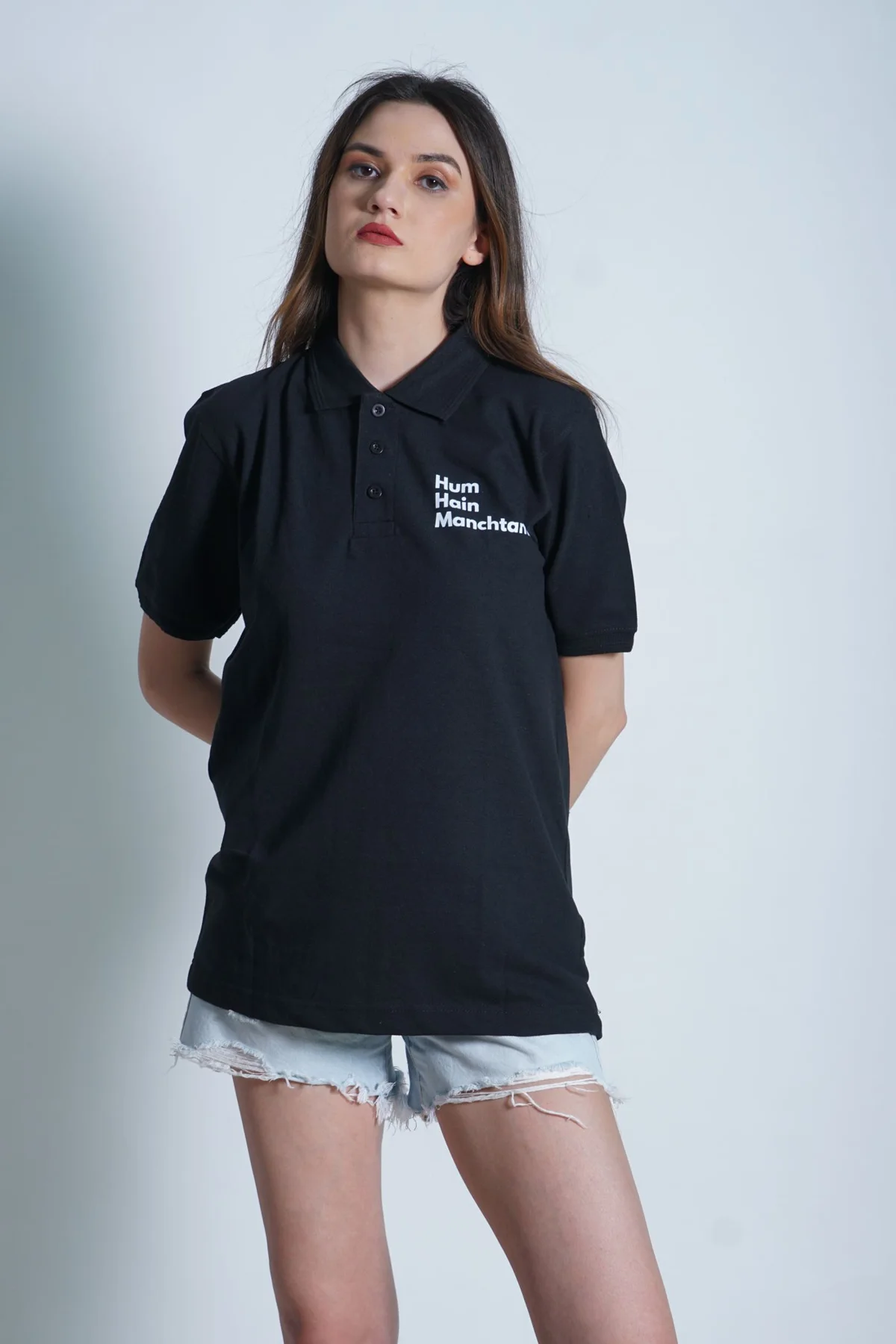
A polo collar gives a plain top a distinct neckline without extra jewelry. Put on the retained shirt with the lower garment you actually plan to wear and look at the complete group. The collar and short fastening can already supply enough structure for an ordinary parent outfit.
Keep the garment's actual role clear. A polo-style appearance does not establish sporting performance or suitability for every activity. Choose it for the intended day using the real product information and your relevant experience of the retained piece.
Compare the intended fastening
Use the shirt's buttons or other closure as designed and within a comfortable fit. A more open arrangement changes the shape inside the collar; a higher fastening makes the front more continuous. Look at both only where the garment supports them appropriately.
Let the collar sit naturally. Do not force a crease, use temporary clips or pull the fabric into another design for the mirror. If it repeatedly sits in a way you dislike, identify that actual construction or fit issue before adding an accessory to distract from it.
Keep the lower half steady
Compare the polo with one retained trouser or skirt first. A plain dark top can create a strong boundary against a lighter lower half, while a darker group may feel quieter. Change one piece at a time so the relationship stays clear.
Notice the hem and waistband as well as the neckline. If several lines gather around the middle, the issue may be the top's length rather than a missing necklace. Try a different suitable retained lower garment before assuming the shirt needs a new accessory group.
Add the actual outer layer
Put on the jacket or cardigan required for the day. A second collar can make the upper group busier, while a plain open layer may leave the polo's own shape readable. Use the real combination rather than a photograph of similar clothes.
Check ordinary movement and the clothes' actual care requirements. The outfit should not depend on constant collar adjustment or an assumed change after laundering. Choose the suitable present fit, with reliable information for any proposed alteration.
Keep the simplest version that works. A plain wrist detail or useful bag may be enough if the neckline already feels complete. Record the actual polo and lower half rather than a permanent rule against jewelry with collars. A parent outfit can be considered without being elaborate: the retained shirt's own construction supplies the detail, while the rest of the group remains useful for the day and straightforward to repeat the next time those clothes are needed.
Compare the collar without a necklace first. Then add one retained detail only if you want a second focus. If the quiet neckline already works, keep that version as a complete outfit rather than an unfinished starting point.
Related reading
Parent Outfits for the Day That Keeps Changing Plans, Give a Parent’s White Shirt a Clear Ready Outfit Role.