Prepare a Playdate Arrival without Rearranging the Whole House
Choose a clear arrival area, a manageable activity and an adult handover so visiting families know what happens next.
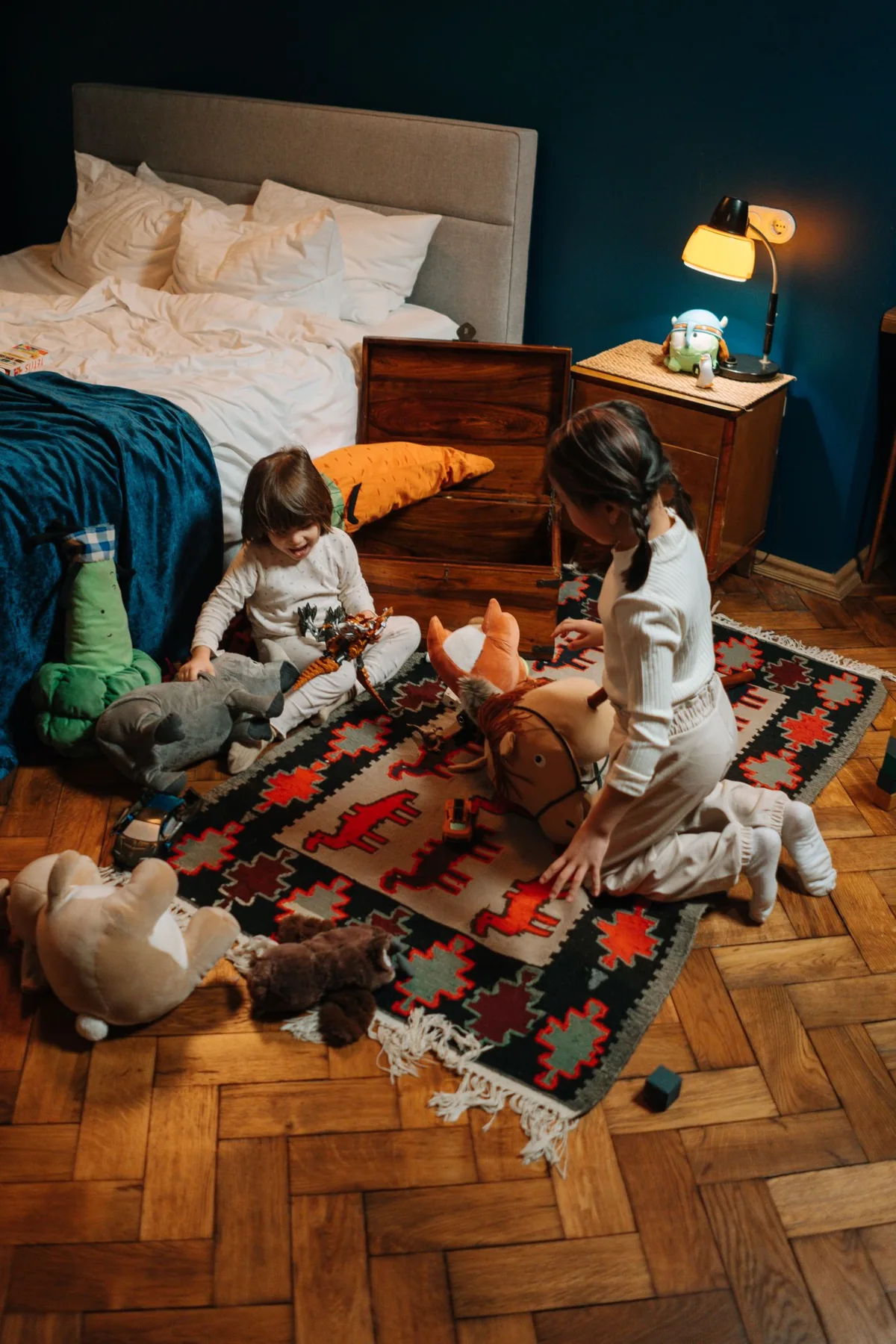
A playdate does not need a newly decorated playroom. It needs a practical welcome and an arrangement that suits the children involved. Begin by agreeing the visit’s timing and adult responsibilities with the other family. Do not assume that a drop-off, a shared visit and a longer gathering mean the same thing to everyone. Clear expectations help before toys or snacks enter the plan.
Make arrival easy to understand
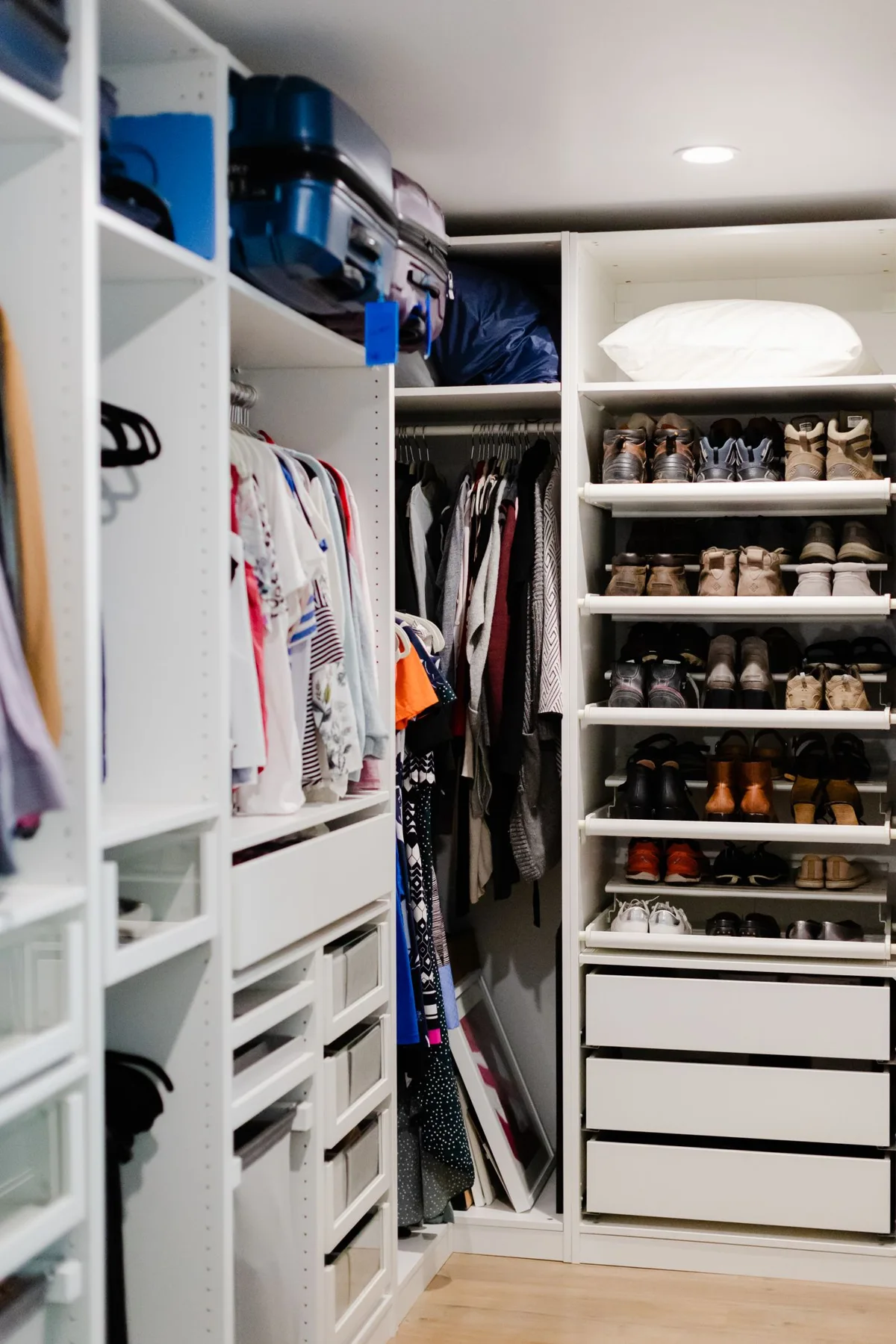
Choose where coats, shoes and bags should go and keep the route clear. Offer a familiar place rather than expecting visitors to guess household routines. Put belongings together so they can be found at departure. If the home has pets, explain the arrangement to the visiting adult beforehand and manage introductions according to the animals and children involved.
Confirm anything the host needs to know directly with the responsible adult. This can include food arrangements, accessibility needs or an agreed collection time. Avoid asking a child to communicate important arrangements alone. Keep emergency contact details available privately if you are the adult responsible for the visit, and agree how changes will be communicated.
Offer one starting activity
An open table with suitable drawing materials, a familiar construction set or a simple pretend-play setup can give the first few minutes a direction. Choose materials for the ages and abilities present and supervise as needed. Keep unsuitable small items or tools away from younger visitors. More choice is not automatically a better welcome if every cupboard gets emptied immediately.
Ask your child which belongings can be shared and which should be put away before guests arrive. A favourite personal item does not have to become the centre of a disagreement. Agree the boundary calmly in advance, then offer activities that are genuinely available to everyone. The aim is a manageable visit rather than a test of how much a child will lend.
Plan transitions before the energy changes
Think about where food will be served, how an activity will stop and what happens if children want different things. Use the food information agreed with the adults and follow relevant preparation guidance. Do not introduce unfamiliar ingredients on the assumption that another family has the same preferences or requirements as yours.
Allow a quieter option where appropriate. A visit can move between active play and a seated activity without requiring a complicated timetable. Watch the children and adapt within the agreed boundaries. If a problem concerns supervision, health or another important responsibility, contact the responsible adult rather than relying on an improvised rule from an online checklist.
Give departure a little space
Let the group know when the visit is approaching its end. Gather belongings and check for borrowed items while there is still time to look. A short reset of the shared activity can be part of the visit, but avoid turning collection into a surprise cleaning demand. Give the other adult any relevant information about how the visit went.
Must I provide entertainment throughout?
You can prepare a starting point and remain appropriately available without running a continuous programme. The ages and circumstances determine the supervision needed.
What if the house is small?
Limit the activity area and the number of materials in use. A clear space and an understood plan can be more useful than additional furniture.
See toy storage that gets used and family art supplies for a setup that returns easily to everyday use.