Rotate Family Picture Books Without Losing the Favourites
Build a small reading selection around current interests, library returns and accessible storage while keeping favourite books easy to find.
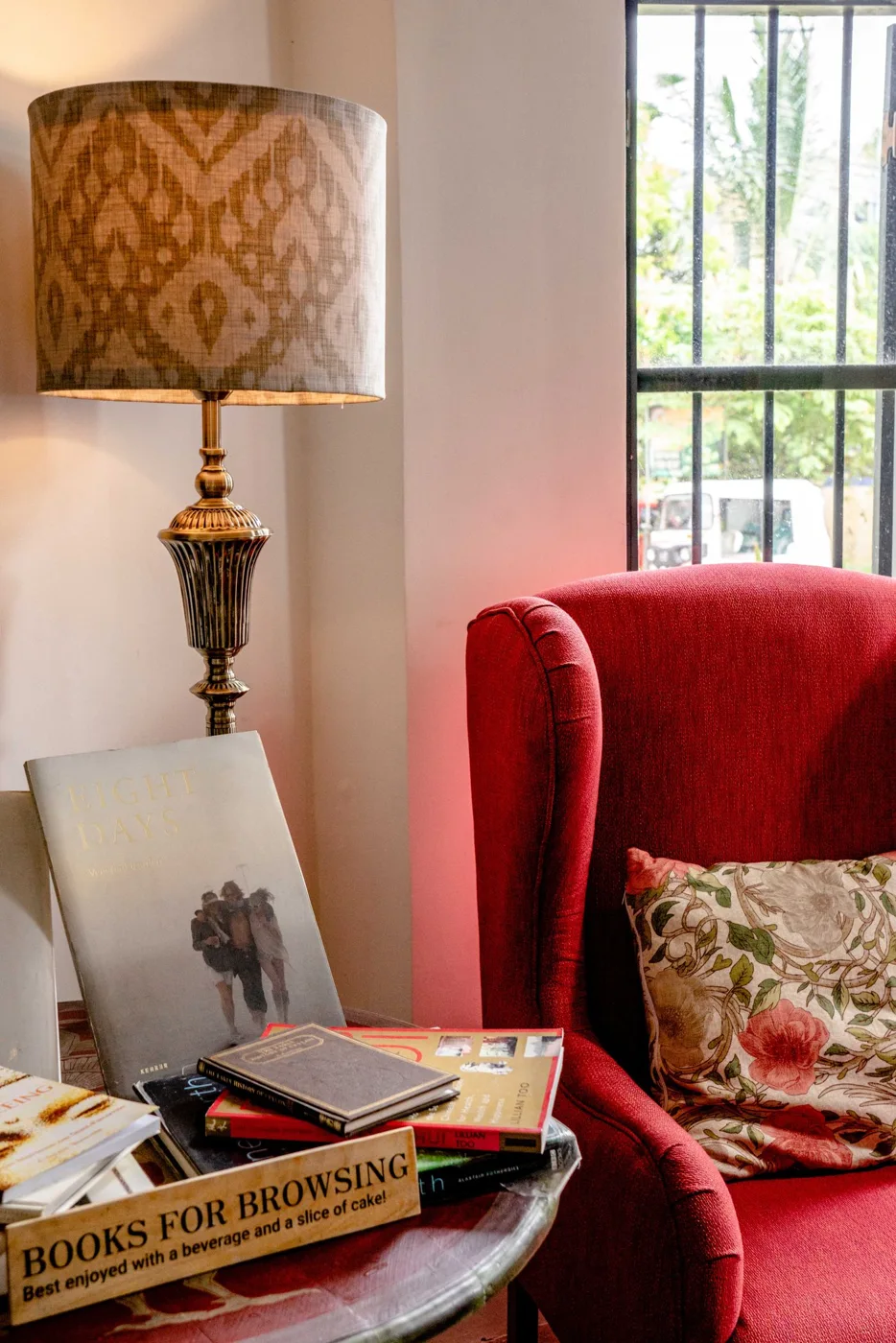
A full book shelf can be inviting, but it can also hide the one story a child asks for every night. Rotating a selection is useful when it makes choosing and returning books easier. It does not need to become a rule that removes favourites or requires a new display every week.
Begin with the books being chosen
Notice what the household currently reaches for: familiar bedtime stories, books about a new interest or titles borrowed for a particular project. Keep those in the accessible selection. A book does not need to be new to deserve its place, and repeated reading is not a storage problem to solve.
Set aside damaged books for an adult decision before putting them back. Keep a library or borrowed collection identifiable. Its return dates and ownership matter more than achieving a visually coordinated shelf.
Give borrowed books their own record
Use one household note for library items and return dates, following the library’s current lending terms. Add the title or a recognisable cover photograph if that helps the family locate it. Store receipts or reminders where the adult responsible for returns will actually see them.
Before a library visit, check the reading area, bedrooms and bags rather than relying on the shelf alone. A borrowed book that travels between rooms needs a return point that everyone understands. Avoid adding permanent labels or altering borrowed books without permission.
Choose a manageable display
Select a position the intended reader can use, with storage and furniture installed according to the manufacturer’s guidance. Leave enough space to grasp and replace a book. A display packed edge to edge can be difficult to use even when every title remains visible.
A few forward-facing covers can help selection, while a conventional shelf can hold a larger collection. Neither format is universally better. Try the available space with existing furniture before buying a dedicated unit, and consider whether it would narrow a route or crowd the reading seat.
Rotate for a reason
Change the selection when interests shift, a book is requested or the current display has become difficult to browse. Keep favourites available. The stored collection should be labelled simply enough that an adult can find a requested title without opening every box.
Invite the child to choose one book to return and one to bring forward. Do not make the rotation so elaborate that reading begins with a sorting exercise. If the child repeatedly asks for a stored favourite, put it back in the accessible group.
Review the storage rather than counting titles
If books continually land beside the sofa, that may be where a small return basket is useful. If the shelf is difficult to reach, changing the selection will not fix its position. Our reading-corner guide helps connect seating, lighting and a place for the current story.
Release books thoughtfully when they are no longer wanted, checking any recipient’s requirements and describing their condition accurately. The aim is an available collection, not a perfect number or a recurring shopping opportunity.
Rotation questions
Must the display change every week?
No. A selection that is being used happily can stay in place. Change it when there is a practical reason.
What if siblings prefer different books?
Give each a small identifiable area or include choices for both. Sharing a shelf does not require identical reading interests.
Should favourite books be replaced by harder ones?
Storage should support the family’s reading choices. Keep questions about learning needs separate from the decision about where a book lives.