Make a Family Reading Corner in a Room You Already Use
Create a comfortable, flexible reading spot with good light, accessible books, and furniture that fits an everyday family room.
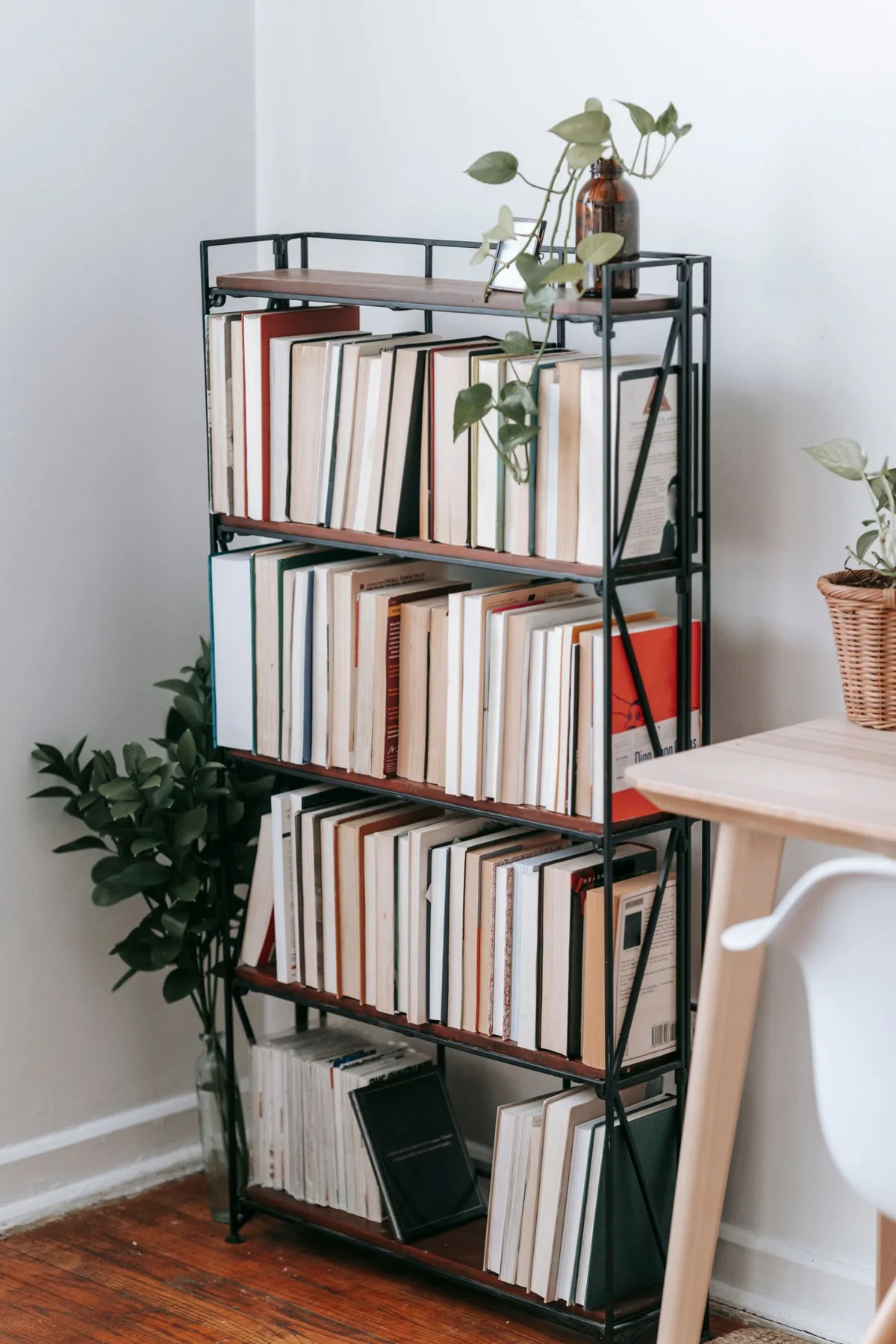
A reading corner does not need its own room or a miniature armchair bought for the occasion. It needs somewhere comfortable to pause and a few books that are easy to reach. In a busy family home, the best spot may be a sofa end, a bedroom chair, or a clear patch beside a low shelf.
Think about when reading already happens. A shared story before bed needs different lighting and seating from a child browsing after lunch. Put the space near that routine instead of locating it wherever an empty wall looks most photogenic. Convenience can make a modest corner more useful than an elaborate arrangement elsewhere.
Choose seating for the people using it
If an adult and child often read together, test whether both fit comfortably. A little chair can look charming yet leave the adult sitting on the floor for every story. An existing sofa with a supportive cushion may serve the household better. For independent readers, allow a position that does not require constantly holding a heavy book above their lap.
Floor seating is flexible, but it needs to suit the people who will use it. Check care labels on cushions and covers, especially in a room shared with snacks and pets. Keep floor paths clear, and follow age guidance for any furniture or accessories chosen for young children.
Make lighting practical
Look at the corner after dark as well as during the day. A bright window can make a daytime photograph inviting while leaving evening pages in shadow. Position suitable lighting so the reader can see comfortably without a harsh reflection. Use lamps and fittings according to their instructions and route cables away from walkways and children’s play.
Consider how the light is switched on. A reading space that depends on an adult reaching behind furniture may not work for independent use. If adding a lamp, check the shade, stability, and access to the switch before focusing on the decorative finish.
Keep a small, changing selection
An overflowing shelf can make choosing surprisingly difficult. Offer a manageable range and rotate it using the books already owned or borrowed. Include books that match current interests alongside familiar favorites. There is no need to replace a well-loved title simply because it has been read repeatedly.
Face-out display can help a child recognize covers, but it uses more space than upright storage. A basket can be simpler if the books are easy to lift and replace. Heavy shelves must be installed or anchored according to their instructions; storage should support browsing without creating a climbing invitation.
Spend where the inconvenience is
If the family has books and somewhere to sit, the missing piece may be a better light or a washable cover. Buying a whole furniture collection can add expense without improving reading time. Test the corner for a week using existing items, then note the specific thing that repeatedly gets in the way.
Library borrowing can provide variety without filling permanent storage. Keep borrowed books together so they are easier to return. If you buy new books, consider the format, print size, illustrations, and reader’s interests rather than treating a decorative cover as the main selection criterion.
Setup checklist
- Comfortable seating for shared or independent reading.
- Useful light at the time reading usually happens.
- A reachable, manageable selection of books.
- Secure furniture and thoughtfully placed cables.
- A simple place for library books awaiting return.
Reader questions
Should books stay out of bedrooms?
There is no universal layout rule. Follow the household’s routines and available space. A small selection in more than one room may work better than a single dedicated area.
What if the corner becomes toy storage?
Give toys a distinct home nearby. Our toy storage guide offers ways to keep categories understandable without adding many containers.
Does the corner need a theme?
No. Comfort, light, and access are enough. Let changing books provide the interest.