Include Back Pockets in a Parent’s Trouser Outfit Check
Include back pockets in a parent’s trouser outfit check, comparing the retained top’s length and the seated view without relying on a front-only fitting photograph.
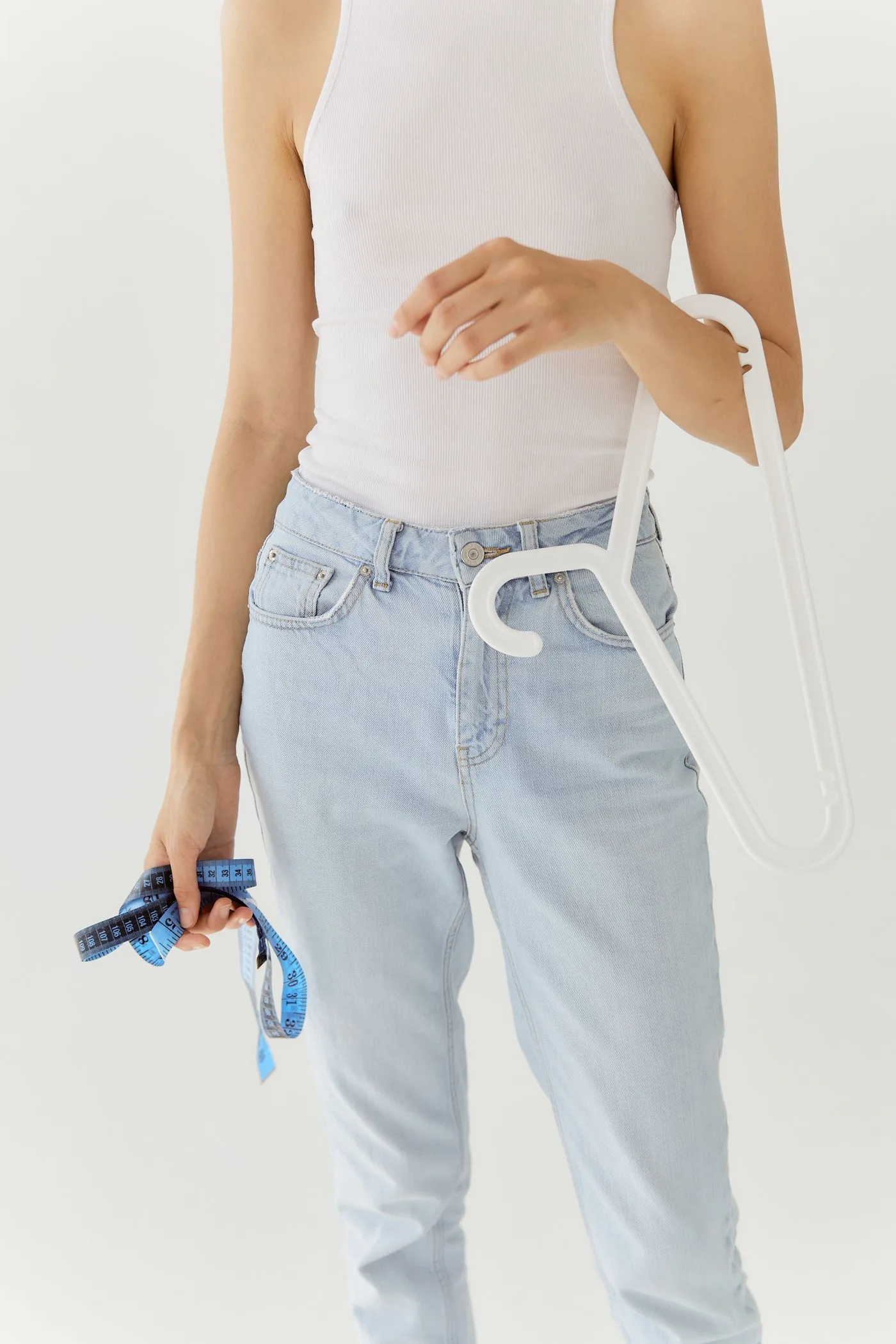
A trouser outfit can look settled from the front while the back pockets meet the top's hem in an unexpected place. Check that relationship before deciding another top or pair is needed. The pocket shape belongs to the whole garment, even when most product photographs concentrate on the front.
Use the intended trouser position
Put on the trousers with their normal waistband and fastening. Choose the underlayers and footwear intended for the actual day. Pulling the waistband into an unusual position changes both the hem and pocket relationship, so keep the comparison realistic.
Check comfort independently of appearance. A visual pocket question does not replace an ordinary fit decision. If the trousers do not feel appropriate for the intended movement, address that issue before trying to solve the outline with another layer.
Compare the full back view
Use an appropriate mirror position or a personal photograph if wanted and permitted. Include enough of the top and trousers to see their relationship, rather than a close-up of one pocket alone. A front-facing image cannot establish what happens behind.
Notice where the top ends relative to the pockets. It may cover them completely, reveal their full shape or cut across part of the outline. None of those arrangements has to follow one universal rule; choose the effect that suits the actual retained outfit.
Try one top arrangement at a time
Compare a natural untucked position with an appropriate tuck where the garments support it. Check the fabric amount at the waistband, including the sides and back. A tidy front tuck can still produce an uncomfortable or bulky group elsewhere.
Keep the trousers unchanged while testing a different retained top length. This makes the useful difference clear. Replacing the shoes, top and trouser position together can leave no reliable reference for what improved the combination.
Include sitting and returning to standing
Sit comfortably and stand again in a suitable space. Notice whether the top remains in its intended place or repeatedly shifts across the pockets. Choose the arrangement that supports the planned family day without requiring constant adjustment.
Add the actual jacket or coat after the indoor base is clear. It may conceal the pocket group during arrival, but the base should remain comfortable and understandable when the outer layer comes off.
Keep a brief reference to the successful pairing if it belongs in the ready wardrobe. Describe the actual top and arrangement rather than writing a vague rule about hiding pockets. A useful trouser check includes front, side and back as ordinary clothing information, allowing the outfit to be chosen around the complete retained garments rather than one favourable angle.
Related reading
Compare a Parent’s Jeans Wash With a Retained Pale Knit, Compare a Parent’s Light Trousers With the Top That Stays.