Try a Parent’s Shirt Cuff Beneath the Retained Jacket
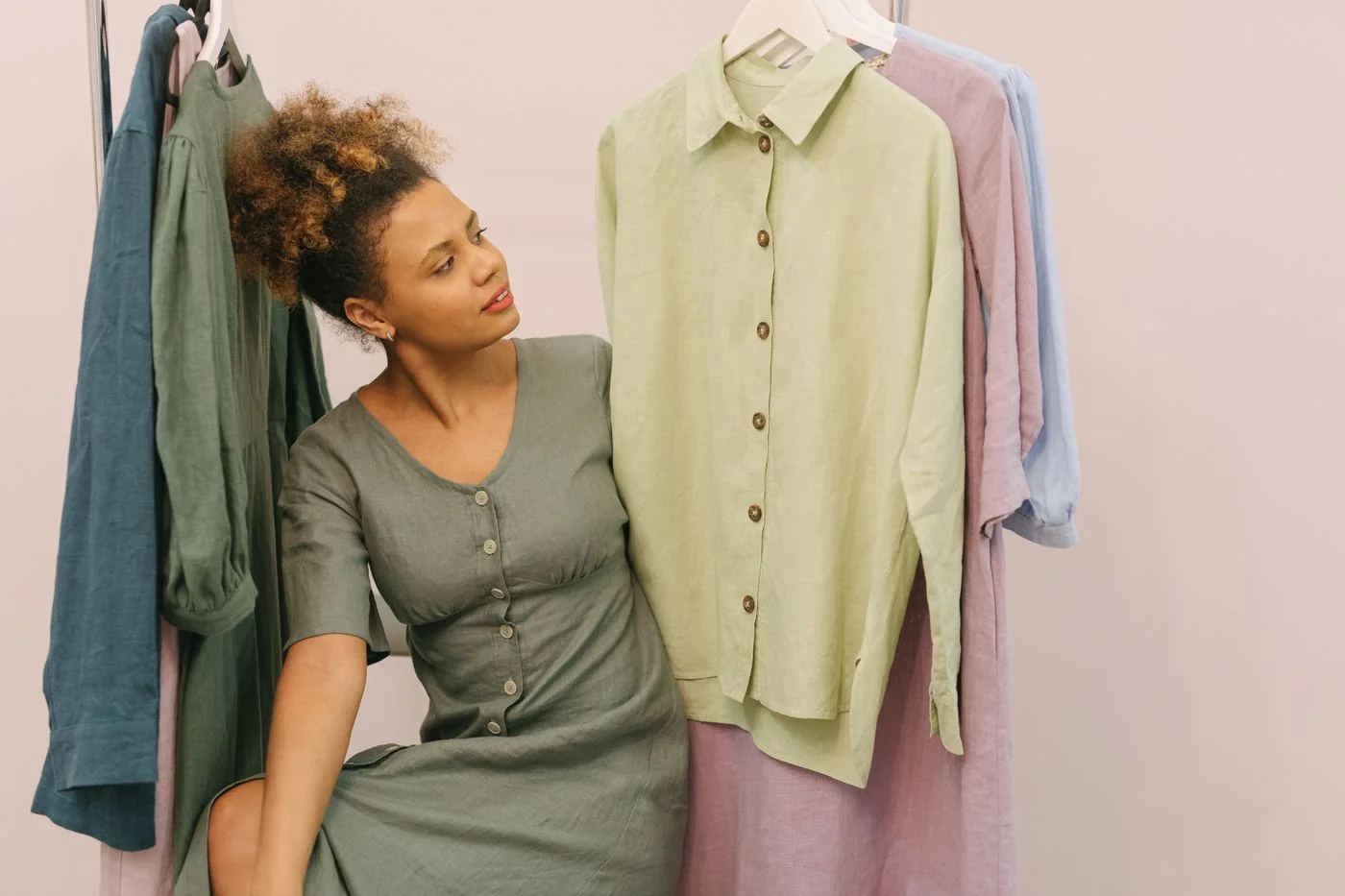
Try a parent’s shirt cuff beneath the retained jacket, checking sleeve movement and the indoor version before deciding that another shirt is needed for the outfit.

A shirt cuff can be a useful visible detail beneath a parent jacket, but the layered sleeves need to move comfortably too. Try the retained garments together during ordinary actions before deciding the shirt is wrong. A different fastening or layer arrangement may answer the problem more directly than a purchase.
Start with the actual pairing
Put on the shirt with its intended cuff fastening and the jacket in its normal position. A rolled sleeve and a fastened cuff create different amounts of fabric beneath the jacket. Choose the arrangement that belongs to the planned day rather than testing an improvised temporary fold.
Check the shirt's own fit first. A sleeve that is uncomfortable without the jacket will not necessarily improve beneath another layer. Keep any unresolved fit or care question separate from the ready outfit group.
Move through ordinary actions
Bend the elbow, sit and reach as appropriate for the actual day's tasks. Notice whether the cuff moves comfortably, bunches inside the jacket or becomes caught near a fastening. Avoid stretching the garments beyond their intended ordinary use.
Identify the source of the problem. It may be a bulky cuff, a narrow jacket sleeve or the way the shirt has gathered beneath the outer layer. Naming that detail prevents a vague conclusion that the whole outfit needs replacing.
Compare the visible edge
Look at the amount of shirt visible below the jacket sleeve. There is no need to force every pairing into one exact cuff formula. Choose a deliberate appearance that remains comfortable when the arm moves and returns to rest.
If a watch or other retained wrist detail belongs to the outfit, include it in the comparison. Keep the group manageable rather than adding more detail to hide an awkward sleeve edge. A clear simpler arrangement can be enough for an ordinary family day.
Check the indoor outfit
Remove the jacket and look at the shirt as it will be worn indoors. A cuff folded only to fit the outer sleeve may not suit that later use. Choose a practical arrangement that can transition without a complicated reset during a visit or meal.
Put the jacket back on once more and check the return of the sleeves. If they need repeated pulling and smoothing, compare another retained shirt or jacket as a separate step. Keep the other pieces unchanged so the useful difference is clear.
Record the working pair if it belongs in a small ready-outfit group. Include the actual cuff arrangement rather than a generic note about layering. The successful combination supports both the visible edge and the ordinary arm movement, allowing the parent outfit to serve its day without constant correction.
Related reading
Try a Parent’s Blazer Through the Seated Parts of the Day, Compare a Parent Knit Sleeve With an Ordinary Desk Task.