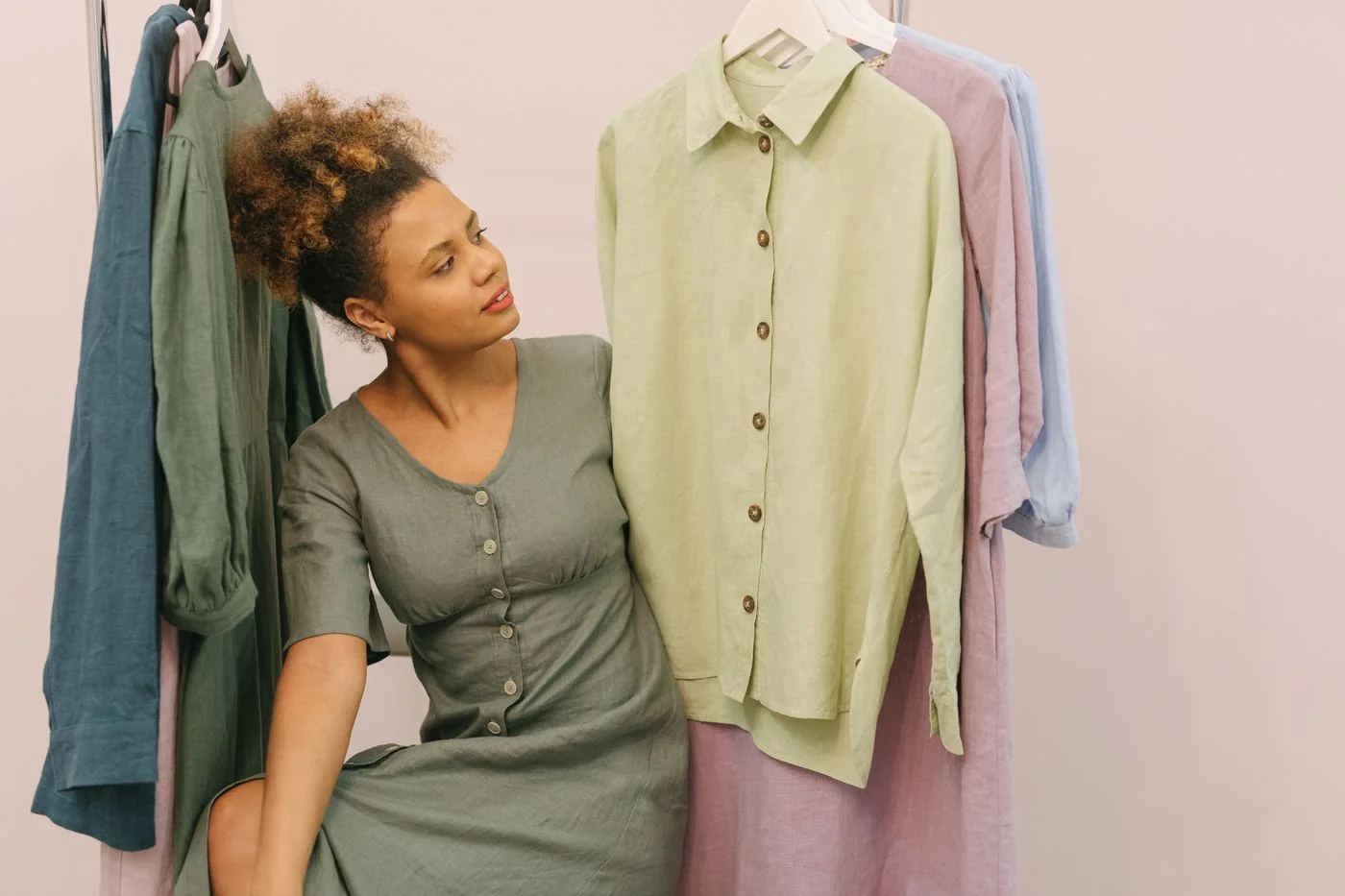
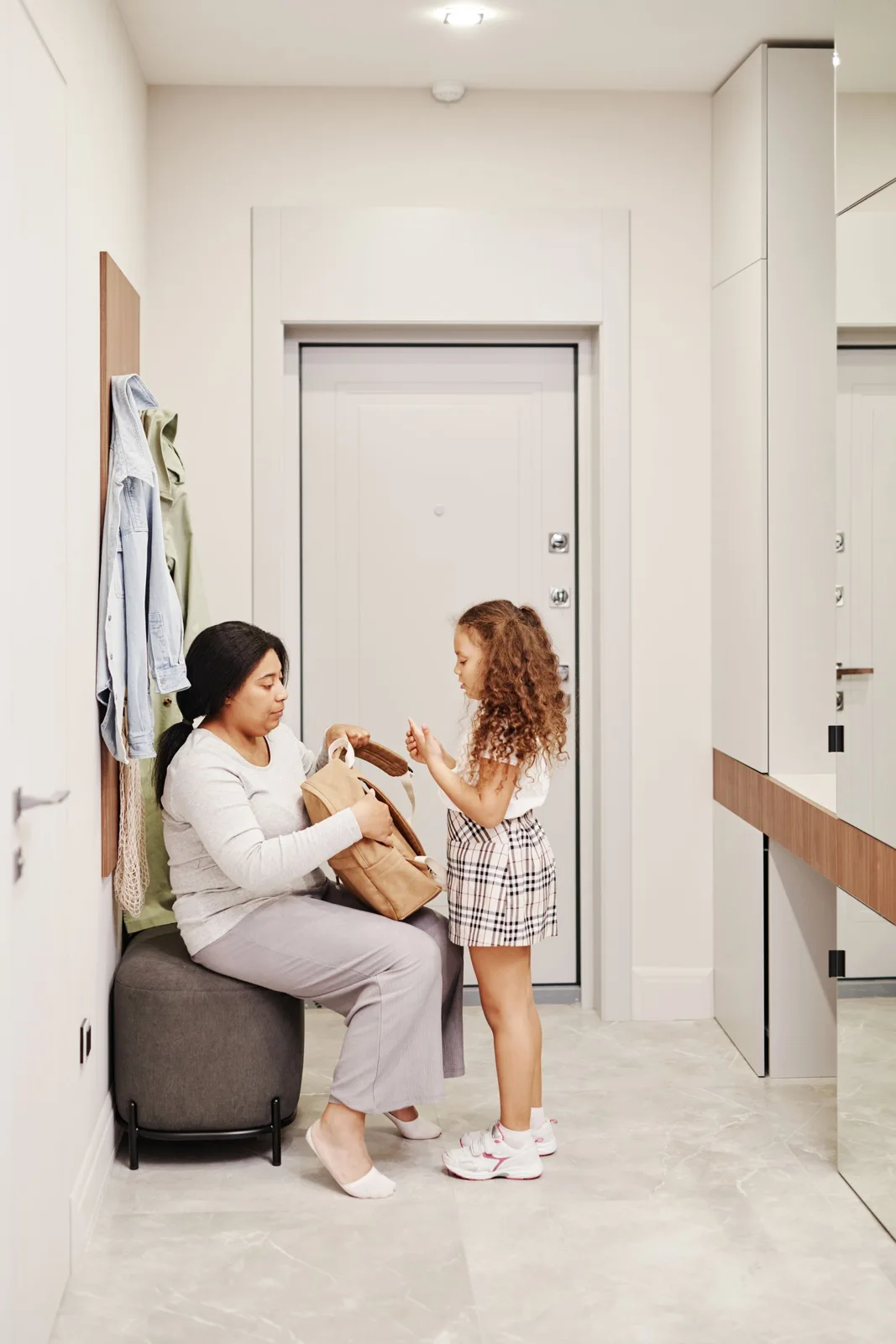
Include a Parent Dress’s Back View Before the Occasion
Include a parent dress’s back view before an occasion, checking its real outline, intended fastening and retained layer without relying on a carefully posed front photograph.
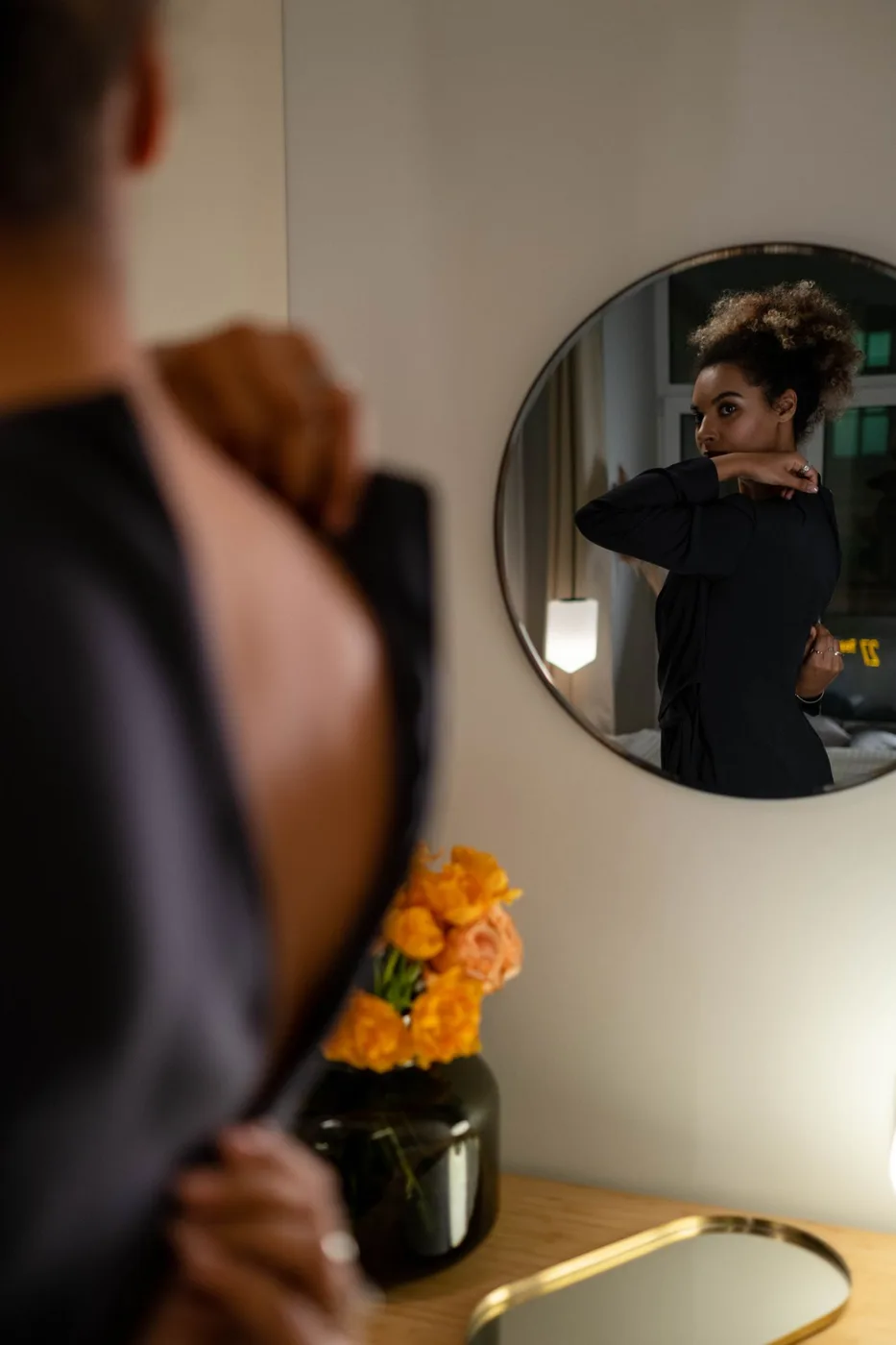
Make the complete view part of the choice
When choosing a dress for a family occasion, the front view is only one part of the outfit. Use a suitable mirror arrangement to see the back clearly as well. Keep the fitting space's rules and your privacy in mind rather than trying to capture a difficult angle in a crowded area.
Stand normally. Twisting can move the fabric and change the outline you are trying to assess. If the available view is unclear, ask for an appropriate fitting arrangement or take time to compare later within the retailer's actual options.
Follow the design's own lines
Look at the back neckline, seams and fastening. Compare their position with the garment's intended construction rather than a rule that every dress should sit the same way. A deliberately loose design has a different purpose from a closely shaped one.
Keep the front and side views in the comparison. An unfamiliar fold at the back may be part of the overall cut, or it may reveal a fit question worth asking. A photograph on another person can explain the design but cannot establish its suitability for your body.
Include ordinary movement
Use the fitting space appropriately to sit, stand and move your arms. Then look again without carefully smoothing every fold into place. A parent attending an occasion may be moving between several ordinary tasks, so the dress should be assessed in its real wearable state.
Use the fastening as intended. If reaching it is difficult, consider whether you have the help and getting-ready routine it requires. Do not force a closure or assume that a complicated alteration will be easy without advice about the actual garment.
Add the retained occasion layer
Put on the jacket or other suitable layer you genuinely expect to use. It may cover a back detail or change the visible outline. Compare the indoor dress-only view as well as the layered version before deciding that the complete outfit is settled.
Keep the actual shoes and relevant underlayers in the comparison where practical. Do not buy a dress only because you expect another garment to conceal a part you consistently dislike. The pieces should each have an honest role in the plan.
Write a useful note if the back view changes your decision. Name the issue, such as an awkward fastening for your routine or a shape that does not work with the retained layer. That reference is more helpful than a general rejection of the style. The complete dress view supports a clearer occasion choice, with the parent wearing it free to enjoy the gathering rather than maintain a single flattering pose all day.
Check the back again after sitting rather than only immediately after smoothing the fabric. If the ordinary result differs, record that specific observation. The useful outfit reference should show how the garment settles through normal use.
Related reading
Compare a Jacket and Dress Before the Family Occasion, Check Clothing Fasteners Before Buying an Independent-Dressing Outfit.