Arrange Drawing Tools for the Person Using Them
Drawing tools arranged neatly for an adult can be inconvenient for the child or another person actually using the table.
Ask how the person wants to work
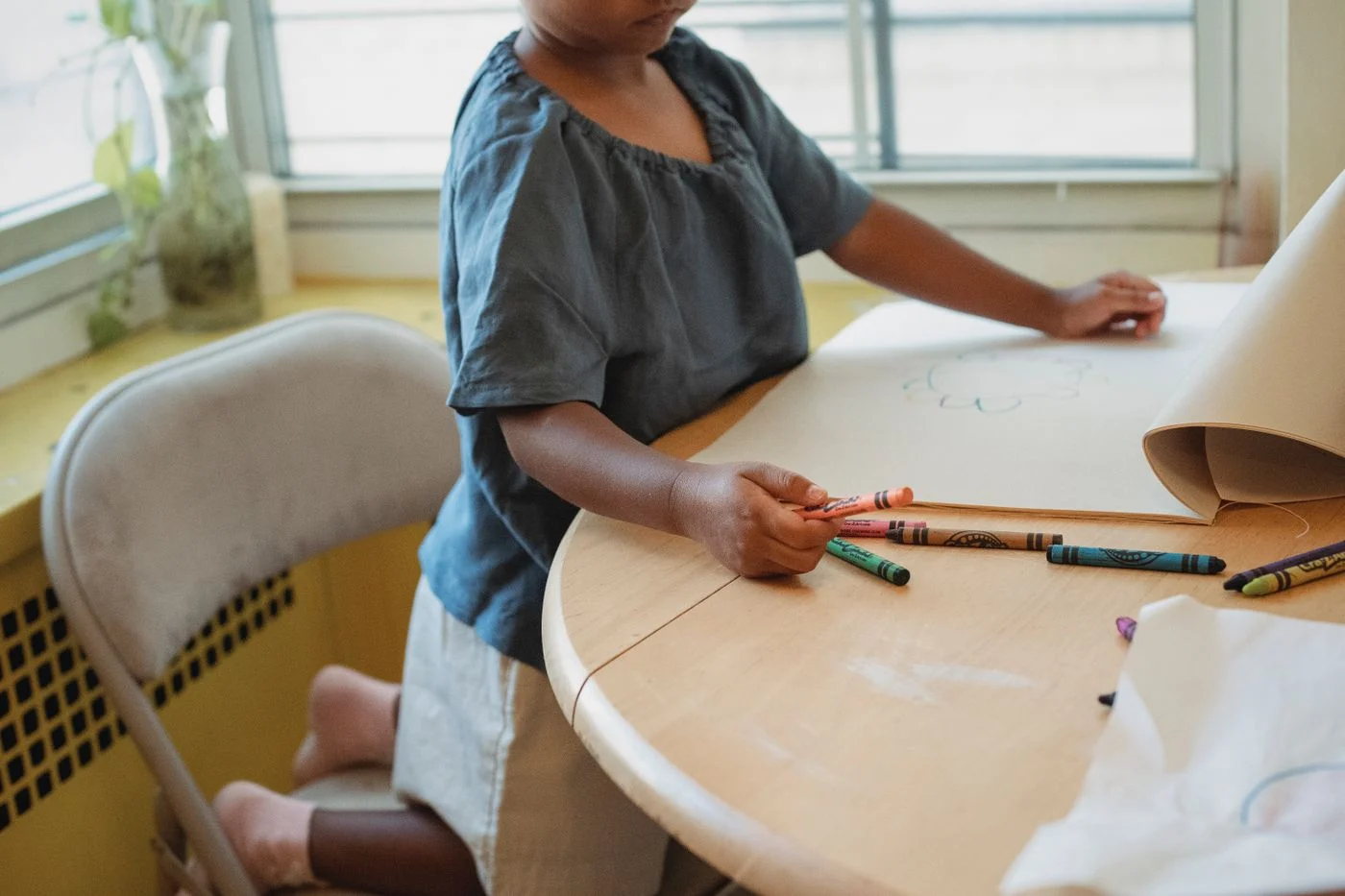
Drawing tools arranged neatly for an adult can be inconvenient for the child or another person actually using the table. Ask where the suitable materials can be reached comfortably within the activity's appropriate setup. The aim is a workable personal arrangement, not a universal desk formula.
Keep tools, furniture and materials appropriate to the actual participants. Adults remain responsible for suitability and supervision. This article considers household organisation rather than making claims about posture, ability or children's development.
Include the actual paper and seat
Choose the paper format and suitable working position before filling the surface with supplies. A large sheet can change how much usable space remains. Keep necessary access and the furniture's intended use clear.
Our paper format guide supports that comparison. Ask the participant what feels convenient rather than assuming the arrangement used by another family member is automatically right for them.
Set out an identified small group
Use the actual products needed for the chosen project and preserve their instructions and identity. Keep unfamiliar or unsuitable items out of the ready group. Colour choices can remain flexible within the materials adults have appropriately selected.
Avoid an elaborate tool layout that must be reconstructed exactly after every session. A suitable simple tray or clear position may help if it matches the products and contents. Keep the tools needed most in the actual participant's agreed suitable area, rather than arranging them only for the doorway view. An organizer has its own requirements rather than automatic usefulness.
Agree how shared tools move
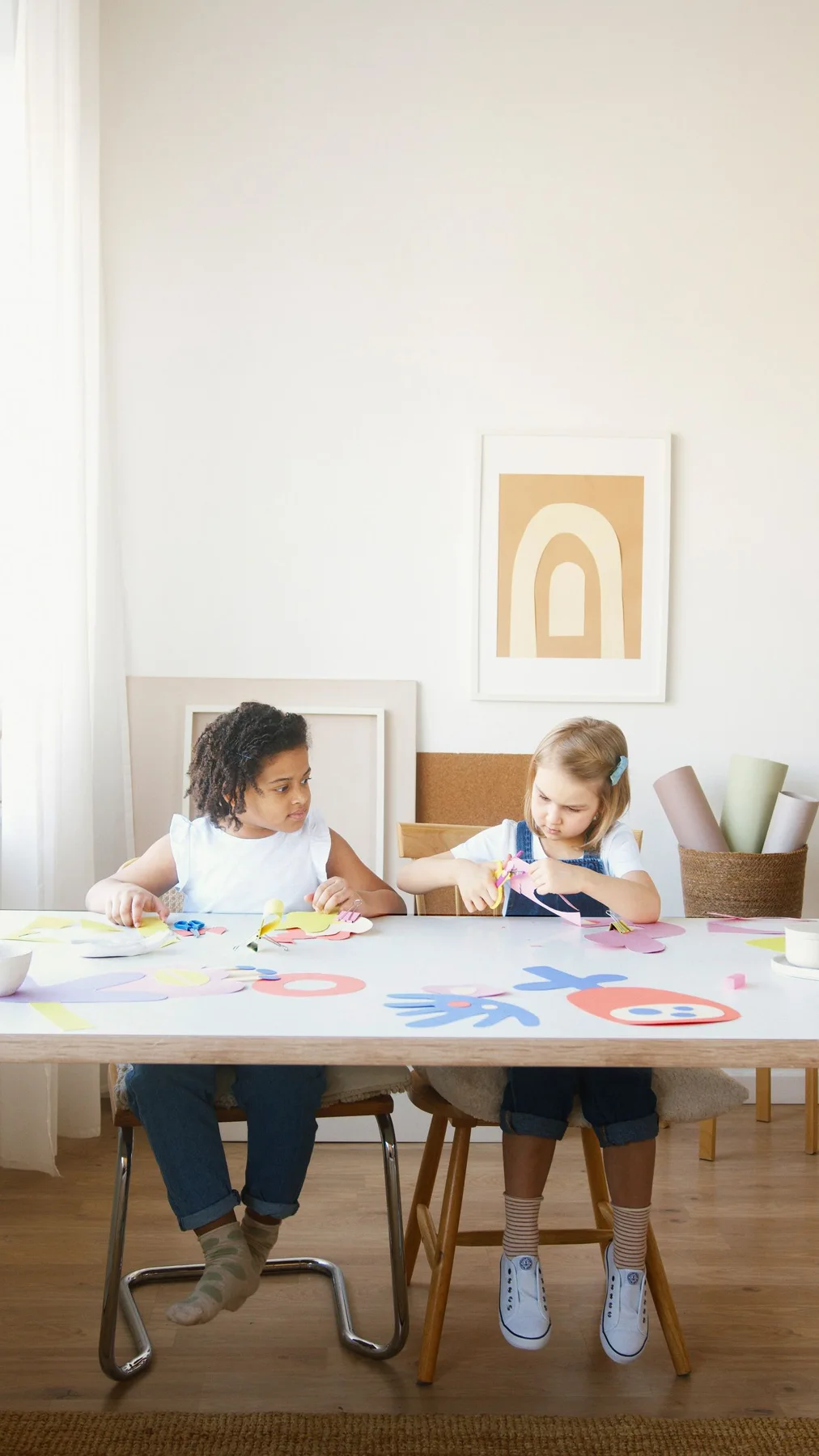
If several people draw together, identify which tools are shared and how to ask for them. A communal surface does not make another person's unfinished paper available to alter. Keep ownership and permission clear without turning the activity into a rigid set of rules.
Our shared drawing guide considers those choices. The table arrangement should support the actual participants rather than require one person to surrender all useful working space.
Review from an ordinary session
Notice which tool positions genuinely help and what remains inconvenient. Change one suitable relationship at a time. If the surface cannot accommodate the actual group appropriately, another sequence or location may be better than adding more containers.
After the activity, follow the materials' actual required stages and return ready tools appropriately. Keep unfinished work identifiable. A useful arrangement is one the participants can understand and repeat, not a styled photograph with every pencil displayed but no usable room for drawing.
Drawing-position questions
Must everyone use the same tool position? Ask about the actual participant and suitable setup.
Does more visible equipment improve the activity? Choose a manageable identified group.
What if shared space becomes crowded? Reconsider the suitable arrangement before adding another tabletop organizer.