Choose Drawing Paper Around the Actual Table
A large sheet can invite a broad drawing while leaving little suitable table space for the person and tools.
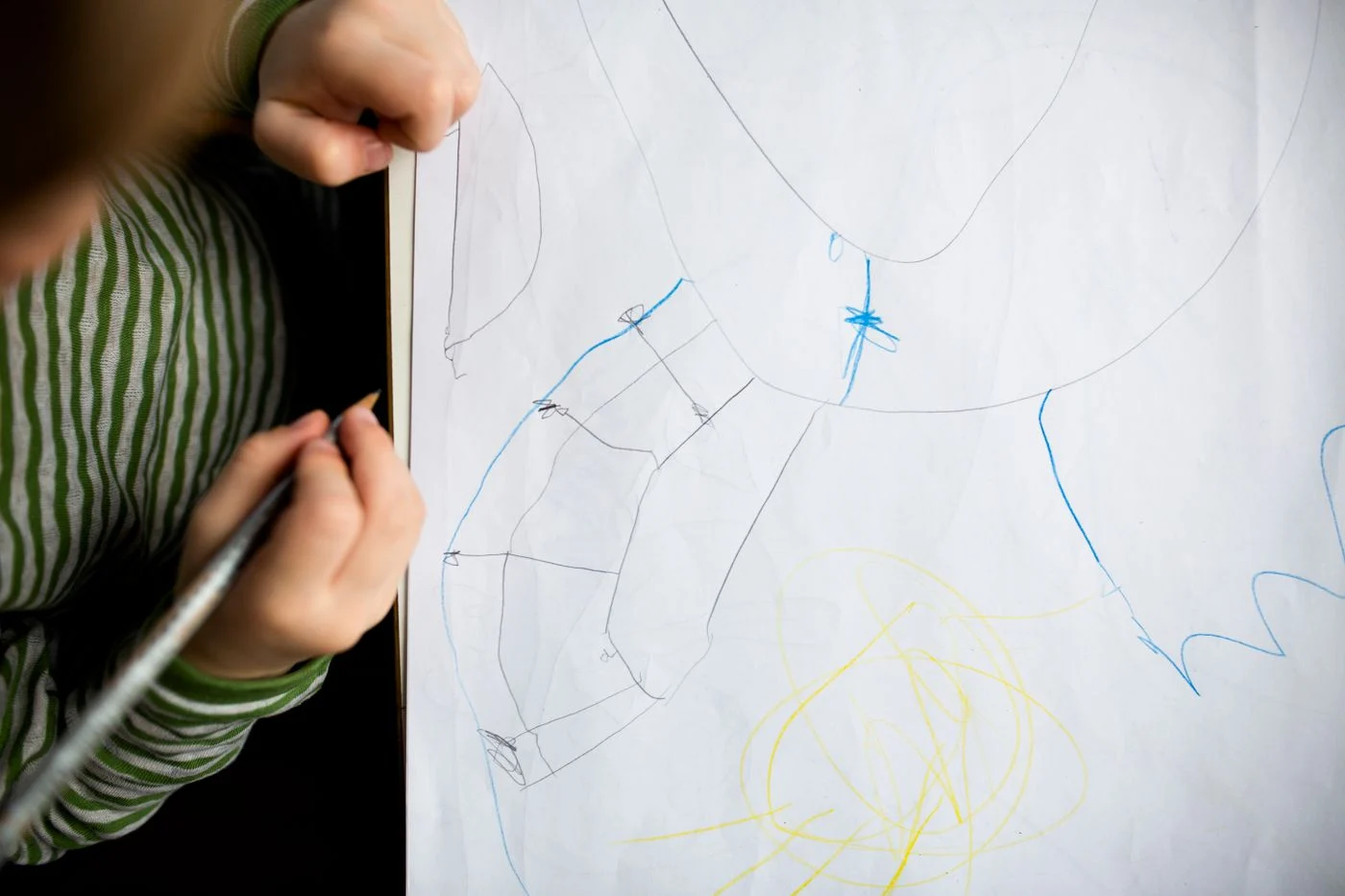
Choose the activity before the paper size
A large sheet can invite a broad drawing while leaving little suitable table space for the person and tools. Choose the actual activity before opening the largest paper available. A small card, shared drawing and individual picture create different surface needs.
Keep materials and tools appropriate to the participants, with adult responsibility and supervision where required. This article compares workspace and paper choices rather than promising a creative or developmental result from a particular format.
Look at the occupied surface
Include the person's suitable working position and the actual drawing tools beside the paper. An empty tabletop photograph cannot establish useful space once the activity begins. Keep necessary room access and furniture use available.
If several people share the table, agree whether they are using separate sheets or one shared surface. Each arrangement needs understandable personal space. Compare the actual sheets side by side before deciding whether one shared project leaves suitable room for everyone. A larger sheet should not silently give one project ownership of the entire household table.
Check the actual materials
Read relevant paper and drawing-product information, including intended use and handling. Do not assume every marker, paint or adhesive suits any retained paper. Keep unfamiliar material questions explicit before starting the activity.
A suitable smaller sheet may serve the idea without cutting an oversized piece. If cutting is needed, use appropriate tools and handling for the actual people. Adults can prepare the format while children participate in suitable choices about the project.
Include the next material stage
Choose a suitable position for work that cannot yet be stacked or put away, following the actual material instructions. A sheet fitting the table does not establish that it fits the appropriate waiting or storage space afterward.
Our artwork handover guide supports that later stage. The art kit guide connects tools with a real project. Paper size belongs in the whole sequence rather than a single setup photo.
Choose from retained stock first
Review suitable available paper before buying another pack. Keep identified useful sheets distinct from damaged or uncertain materials. A variety of formats can be helpful without becoming a collection every project must use.
After the session, return remaining materials appropriately and keep unfinished work identifiable. If the paper repeatedly exceeds the working surface, note the actual format needed. A specific useful size is a better shopping question than simply more craft paper.
Paper-size questions
Is the largest sheet always best? Choose from the activity, people and suitable surface.
Can any tool be used on any paper? Check the actual products and intended use.
What if the work fits the table but not its next position? Include the complete material and storage sequence before choosing the format.