Leave a Shared Desk Enough Space for the Notebook Page
Leave a shared desk enough space for an open notebook and its page turns, checking the actual working spread before adding another tray or desktop organiser.
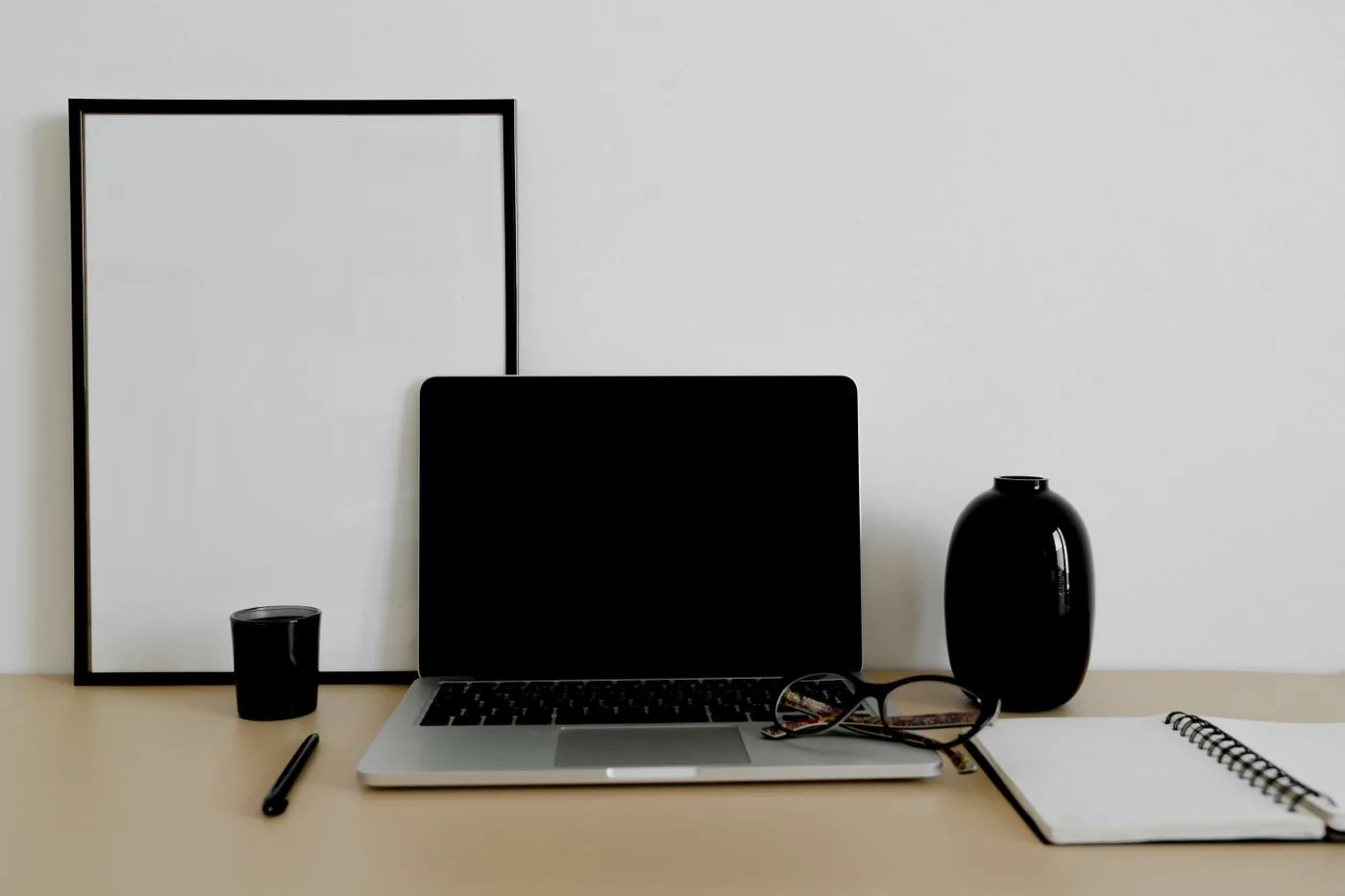
On a shared desk, notebook space needs an understandable handover. One person may see a spare patch beside a laptop while another needs that patch for a page to turn and a hand to write. Show the movement once, then agree how the surface changes users instead of protecting the space through unexplained piles.
Demonstrate the working patch
Use the actual notebook for the current task and open a representative spread. Write a few ordinary lines and turn the page. Point out where the hand and paper move beyond the flat outline. This makes the request concrete without turning it into a debate about who owns a section of the desk.
Keep the equipment and working position suitable for the user and products involved. The demonstration is not a prescribed ergonomic setup. Adjust the arrangement appropriately and use reliable guidance where the task or equipment calls for it.
Agree what must stay and what can move
Name the objects essential to the writing period and the objects that can return to storage. A reference needed now has a different role from stationery kept nearby just in case. Give movable items clear homes so clearing the patch does not create another pile on a chair.
Do not solve the overlap by covering a device area that needs to remain clear. Follow the actual equipment's operating requirements. A notebook that fits only by interfering with another active tool has not gained a useful working position.
Make the change of user predictable
Choose a simple cue for when the writing task has paused or ended. The notebook might close with a suitable marker and return to an agreed shelf, while private pages are handled appropriately. Avoid asking another user to infer the status from whether a pen is lying diagonally across the cover.
Keep the agreement proportionate to the household. It need not become a formal booking system for every short note. The goal is for the next person to know which objects can be moved and where they belong without reading someone else's personal work.
Recreate the layout once
After clearing, set the notebook up again from its ready position. Check whether the page-turning patch returns easily. If recreating it requires shifting numerous unrelated objects, the problem may be those objects' homes rather than the notebook's size.
Ask the other desk user to explain the arrangement in their own words if helpful. A workable handover should not depend on remembering a detailed verbal sequence. One clear patch and a few known destinations are easier to share than a complicated desktop display.
After a few changes of user, keep the parts that reduced negotiation. A new organizer deserves consideration only if it supports the observed movement without consuming the same patch. Shared notebook space works when the page can move during the task and the surface can return clearly afterward, leaving both the paper and the next person a usable place.
Related reading
Give Shared-Desk Papers Two Different Temporary Roles, Set Up a Shared-Room Video Call without Losing the Family Table.