Give Shared-Desk Papers Two Different Temporary Roles
Separate papers awaiting a household action from papers being used during a shared-desk task, giving each group a clear temporary place and a finishing step.
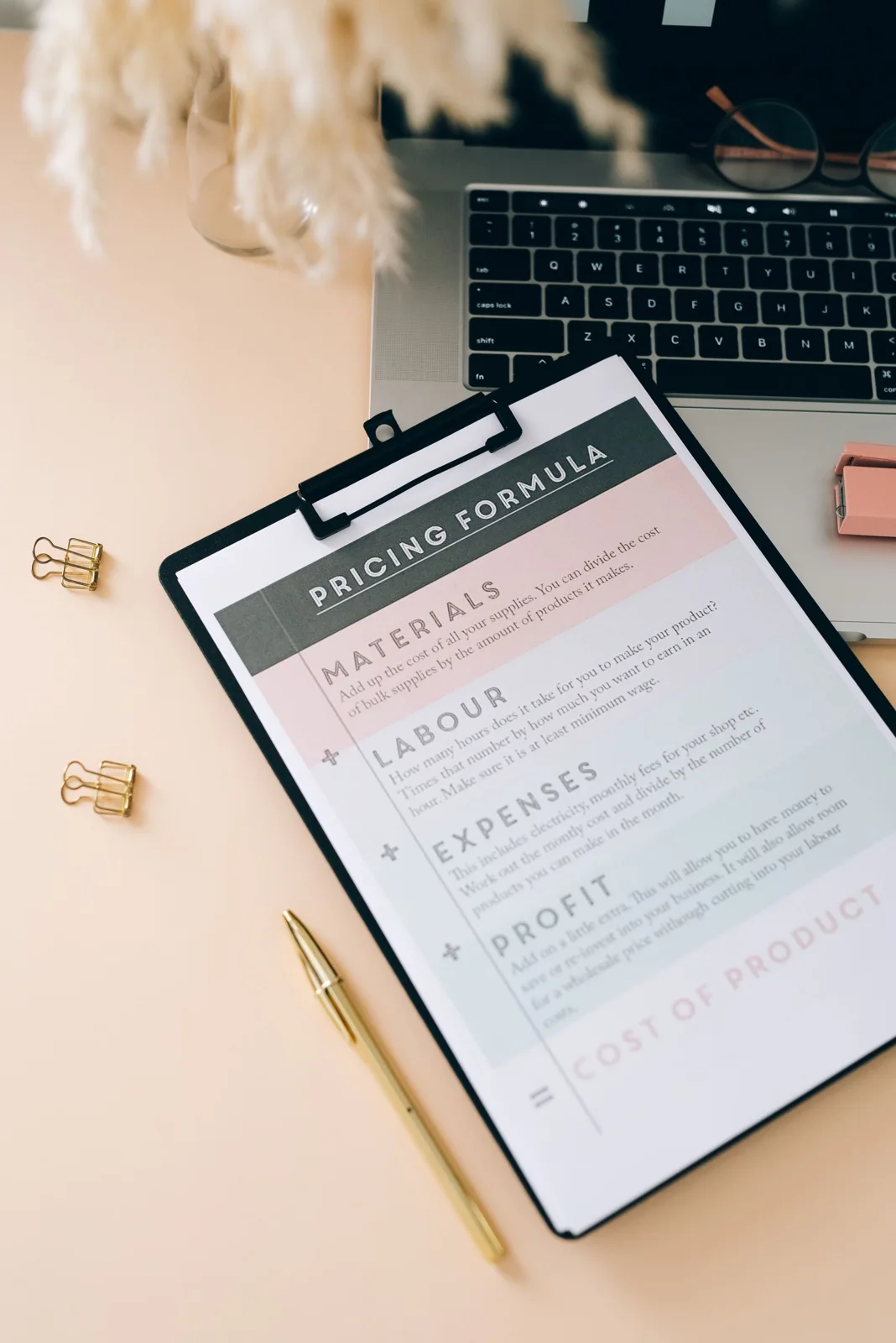
A shared desk can hold two very different paper groups: something waiting for a household action and something being used right now. When they occupy the same pile, an old form can hide beneath a current notebook or get swept into another person's work. Give these groups different temporary roles.
Name the current task
Start with the person using the desk now. Identify the papers needed for that task and place them within the working area. This may be a form, a notebook and one reference sheet, rather than every document related to the wider subject.
Keep the group small enough that a page can be turned without disturbing the rest. If a laptop is involved, leave its working area and ventilation clear. A clipboard may suit one active form, but it is not a reason to attach unrelated household papers beneath it.
Give waiting papers a separate position
Choose one nearby place for papers that need a later action. Write the next action and the responsible adult where useful: sign, reply, check a date or file a completed record. A paper that merely says important still leaves the next person to work out its meaning.
Do not include private documents in an open shared pile if they belong in more appropriate storage. The temporary position should suit the household and the information involved. Clear roles do not require everyone to see every document.
Keep the two groups from borrowing space
When the active task expands, resist putting its extra pages on top of the waiting group. Move completed working pages into a separate folder or close the task briefly to make room. Otherwise the two roles become one pile again despite the labels.
Likewise, do not use the current user's notebook as a noticeboard for someone else's action. Send or leave a clear message in the household's agreed way. A shared surface can support different people without turning every personal working page into common storage.
End with a deliberate handover
At the end of the task, clear the active papers into their proper next place. Completed work may be filed; unfinished work may need a closed folder with a clear stopping point. Leave the desk usable for the next person rather than preserving the whole arrangement across the surface.
Review the waiting group at an agreed ordinary moment, not every time someone sits down. Remove completed actions and update anything whose next step has changed. If an item keeps returning without progress, identify the missing decision instead of copying it onto another reminder slip. The desk then has a clear working area and a separate queue, with neither pretending to be permanent storage.
Related reading
A School-Paper Inbox with a Clear Next Step, Set Up a Shared-Room Video Call without Losing the Family Table.