A School-Paper Inbox with a Clear Next Step
Separate school papers that need a reply from artwork and reference notes without making every sheet a permanent kitchen display.
A pile beside the school bag mixes three different jobs: something to return tomorrow, something worth keeping and something that can be read then recycled. Buying a larger tray does not separate those jobs. Start with the next action, the person responsible and the date when the paper stops being useful. Keep private school information away from public-facing windows or photographs of the family workspace.
Give action papers a single landing point
Choose somewhere an adult can review papers regularly, rather than a location a child must remember independently. A shallow tray or existing folder can work. Keep it separate from bills and craft materials so a permission slip does not disappear beneath unrelated tasks. The routine should include opening the bag together where appropriate, checking what arrived and returning anything needed for the next school day.
Write a brief next-action note when the task cannot be finished immediately. “Read the trip details” and “return the signed form Thursday” are different stages. Put a deadline in the household calendar if that is already where commitments live. Avoid creating a second calendar that nobody checks. Follow the school’s instructions for submission, including whether the original paper must be returned.
Separate reference material from replies
A term timetable belongs in a reference place, while an invitation awaiting a response belongs with actions. If keeping a digital copy helps, make it legible and store it somewhere the responsible adults can locate. Do not assume a photograph replaces an original document. Retain originals where required and avoid uploading identifying school details to shared services without considering who can access them.
Give temporary reference sheets an end date. A list for last month’s club session is easy to leave on display indefinitely. Remove it when the activity finishes and the information is no longer needed. A small active reference area is easier to read than a wall covered with every notice received since September.
Let artwork follow a different route
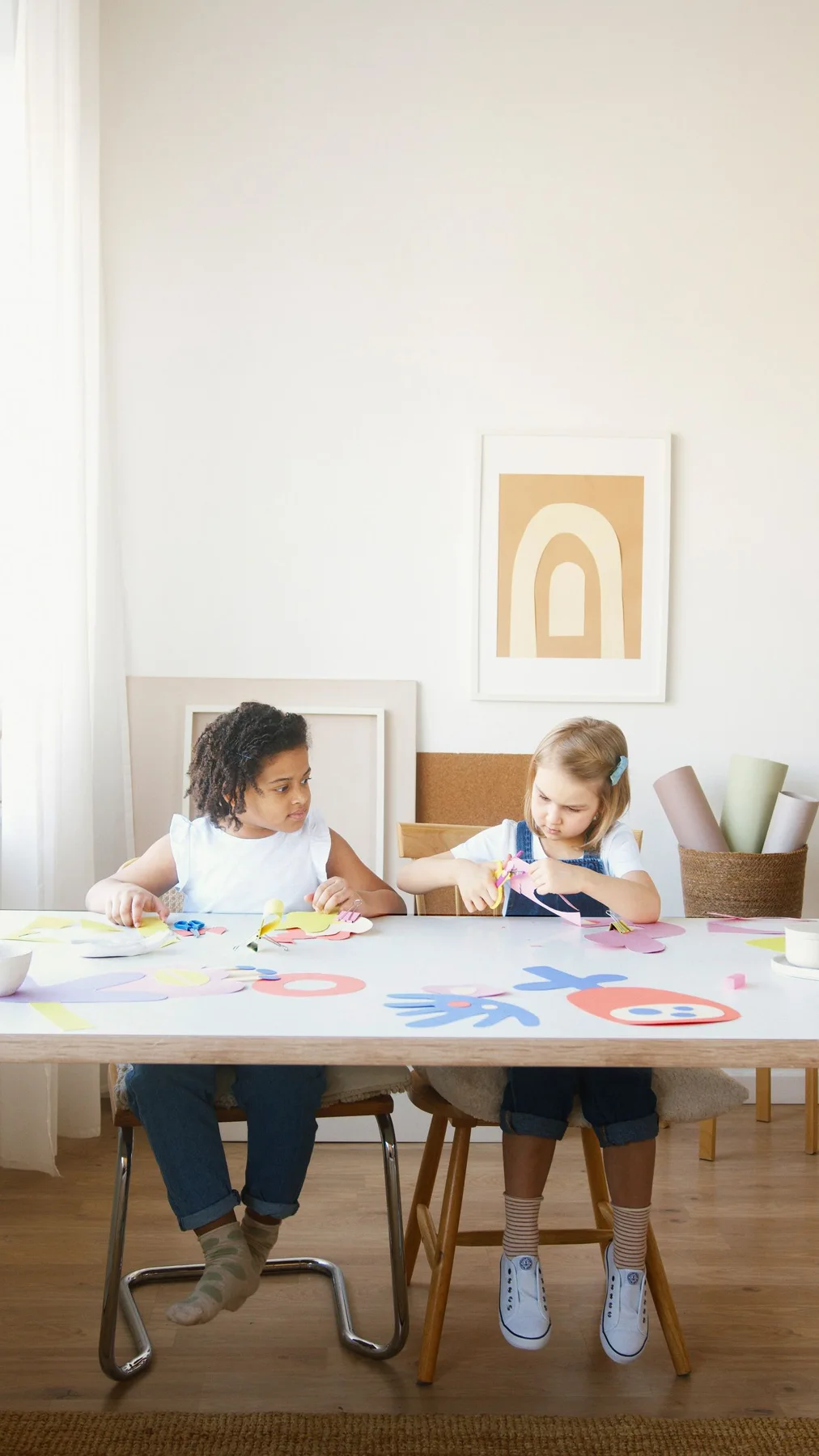
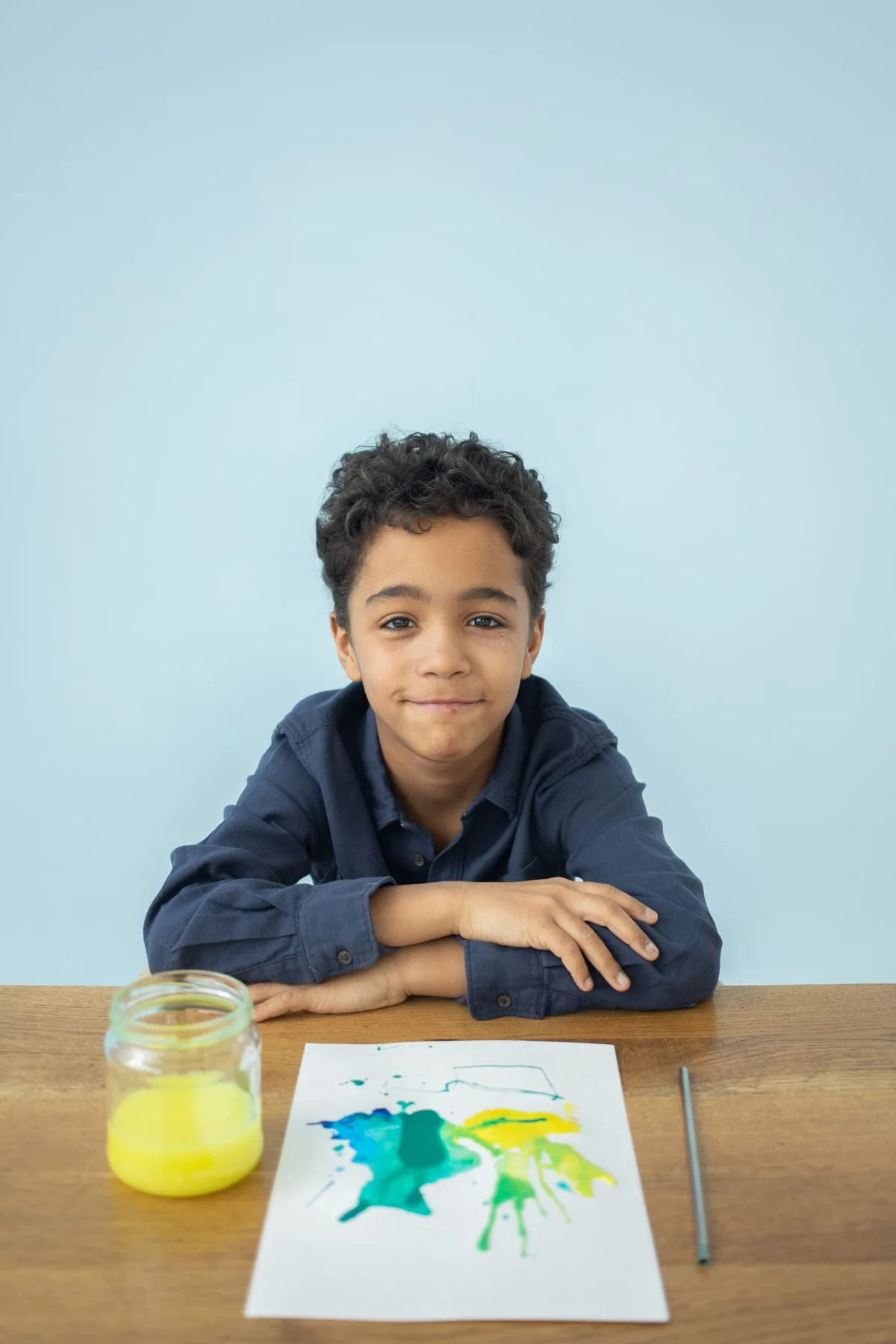
Invite the child to select a piece for display or storage without treating every drawing as an administrative task. Keep wet or heavily textured work apart from paperwork. Write a name and approximate date on the back when useful. A defined art folder can hold choices until the next review; it need not become another place where unsigned forms wait unnoticed.
If several children bring similar papers home, label by the person who needs to act rather than colour alone. A simple name makes a folder understandable to another caregiver. When a paper concerns more than one child, note whether separate replies are required. The aim is a reliable handover, not an elaborate filing system.
Reset the tray before it becomes storage
Choose a short review point that fits the family routine. Finish quick actions, move reference information and remove finished items. If the same document remains for weeks, identify what is preventing the next step. A question to the school may resolve more than moving it into another folder. Keep pens or other supplies nearby only where suitable for the children’s ages and access.
Should children manage the inbox themselves?
They can participate according to their age and abilities, while an adult checks time-sensitive responsibilities. Introduce one repeatable step, such as placing papers in the tray, before expecting a complete filing routine.
What if most messages arrive digitally?
Use the same distinction between action and reference. Avoid printing everything solely to fill the tray. Connect important deadlines with the calendar already used by the household.
Continue with the family morning routine and entryway reset to connect paperwork with the bags that carry it.