Keep a Puzzle’s Return and Completeness Clear
A puzzle returned to its box can appear ready while a piece remains under another activity's materials.
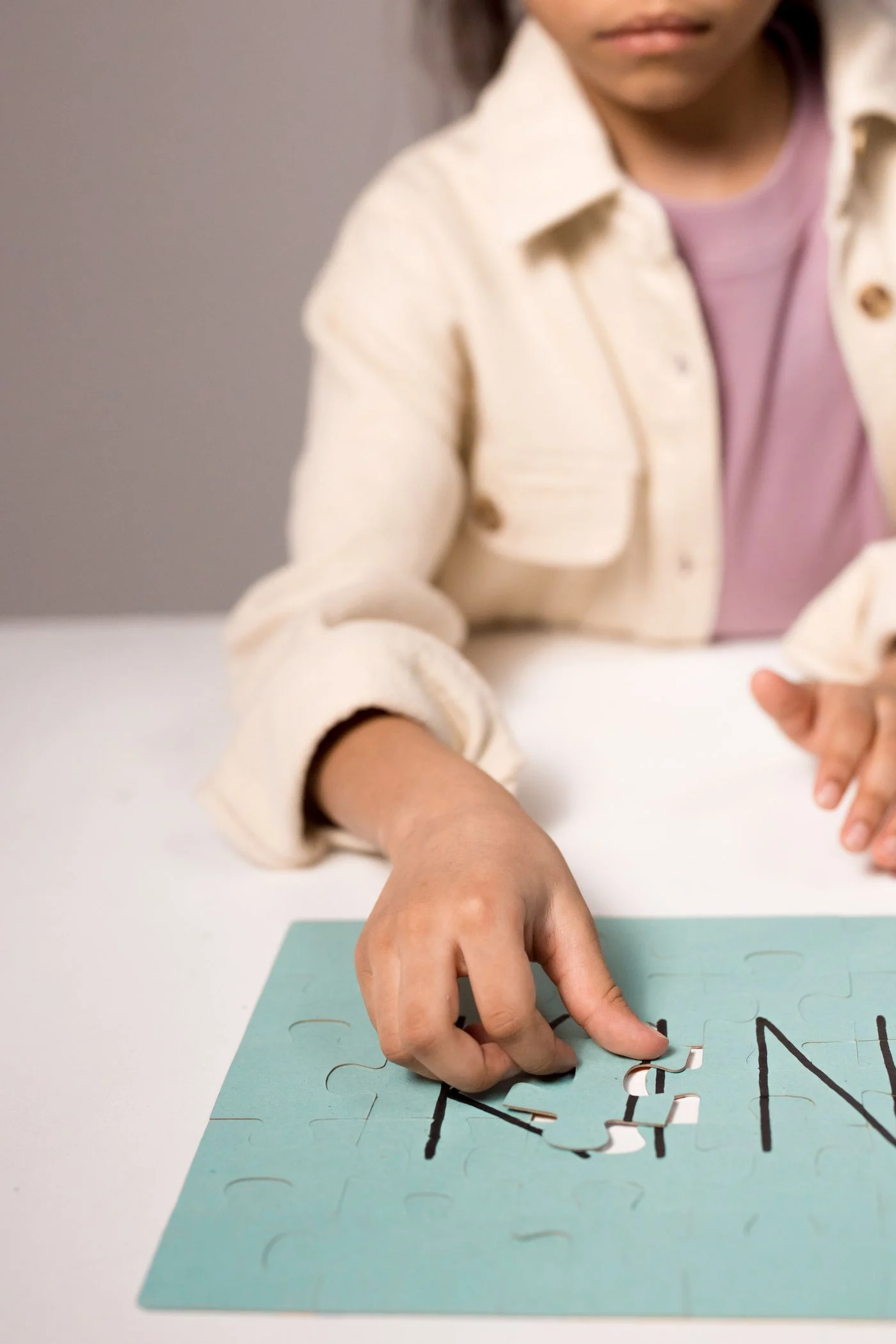
Identify the actual puzzle group
A puzzle returned to its box can appear ready while a piece remains under another activity's materials. Keep the actual puzzle identity and appropriate return process clear. A tidy lid is not confirmation that the retained group is complete.
Follow product suitability, age guidance, handling and storage requirements, with appropriate adult responsibility. This article organizes the household handover rather than claiming a particular educational effect or prescribing one puzzle type for every child.
Use supplied information where relevant
Preserve the actual product reference and any useful component information. Do not invent a piece count or assume every similar box contains the same group. If several puzzles have similar boxes, preserve the actual title and a dependable visible distinction before returning pieces. Another adult should not have to identify the set from a loose handful. A suitable separate note can identify an unresolved question without altering the puzzle or its essential labels.
Keep another person's puzzle ownership clear if borrowed. A household storage position should not erase the actual lender arrangement. Ask before mixing components or lending the group onward.
Keep the working space understandable
Use a position appropriate for the actual puzzle, people and room. Include the complete occupied surface rather than only the box dimensions. A suitable working area should preserve necessary access and the furniture's intended use.
If the puzzle needs a pause, follow its actual requirements and choose a realistic arrangement. A narrow ledge or improvised stack is not automatically suitable because it saves the table. Discuss an appropriate next state with the participants.
Return from one activity at a time
Keep the actual puzzle group distinct while completing its appropriate return. Avoid sweeping several unrelated projects together to clear the room quickly. Adults can handle suitability and completeness responsibilities while inviting appropriate participation.
Our storage guide supports a clear ordinary handover. The game pause guide considers another activity whose record and physical components have different roles.
Resolve a missing-piece question honestly
If the actual group is uncertain, keep that status visible and choose an appropriate next step. Contact the owner or relevant product guidance where needed rather than substituting a piece from another set. Do not describe an uncertain puzzle as complete when passing it on.
Our toy loan guide supports an honest owner handover. A useful puzzle return leaves the current condition understood. The household does not need an elaborate inventory, but it should not hide a known limitation behind a closed box.
Puzzle-return questions
Does a closed box prove completeness? Keep the actual component question clear.
Can similar pieces be mixed automatically? Preserve the intended set and appropriate product guidance.
What if a piece cannot be found? Communicate the real condition and choose a suitable next step before calling the group ready.