Set Out One Suitable Play Set Without Filling the Room
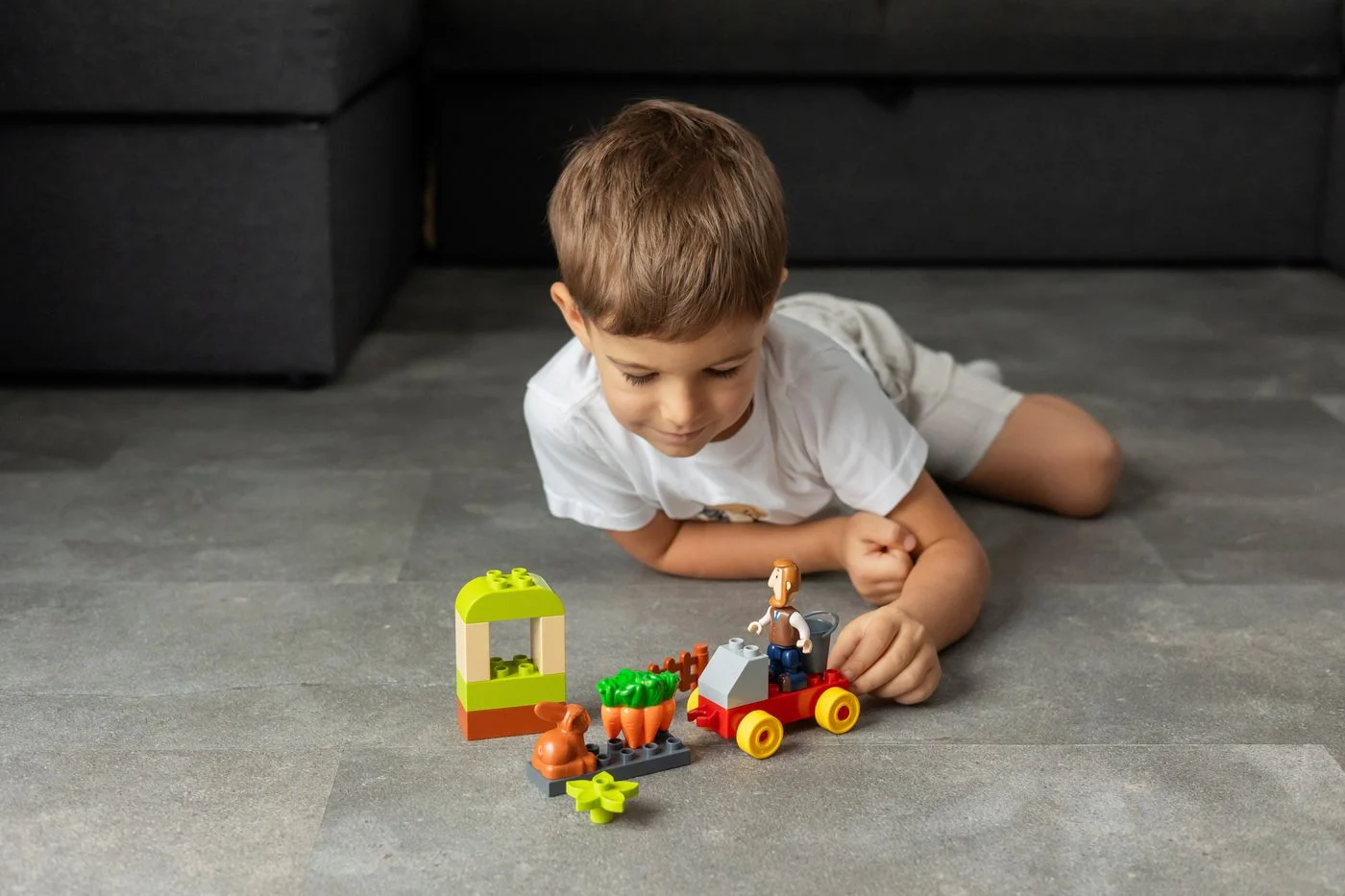
Setting out one play set can make the actual activity clear without filling the room with every retained option.
Choose one suitable current group
Setting out one play set can make the actual activity clear without filling the room with every retained option. Start with a group suitable for the participants and household. Keep product instructions, age guidance and appropriate adult responsibility central before choosing the arrangement.
This is a household setup idea rather than a promise about attention, creativity or development. A child may choose another appropriate activity or stop. The useful goal is a suitable available group, not a required performance or a perfectly completed scene.
Identify what genuinely belongs
Keep the actual set and associated components clear. Read the relevant product information rather than assuming a mixed box is one compatible activity. Remove uncertain or damaged pieces from the ready group while they receive appropriate assessment.
Our set reference guide supports that identity. A manageable group should not be confused with an incomplete product whose missing part affects suitable use. Keep that distinction explicit.
Choose the actual working space
Use a position appropriate for the product, people and furniture. Include the complete occupied activity and necessary room routes. A clear floor or table photograph cannot establish the arrangement once participants and pieces are present.
Avoid adding extra accessories solely to make the setup more attractive. A suitable simple arrangement can be enough. Identify the current set by its actual name or clear reference so the appropriate return group remains understandable after the activity changes. If the space cannot support the actual activity, choose another appropriate location or group rather than forcing it into a narrow decorative corner.
Offer choices within the appropriate plan
Invite the participant's preferences about the suitable activity without prescribing the finished result. An adult can explain material and household requirements while leaving creative decisions open. Ask before changing another person's unfinished work.
If several people share the group, clarify ownership and permission where those distinctions matter. A communal room does not make every personal object available for play. Keep the agreement ordinary enough to understand during the actual session.
Include the end or pause
Choose a suitable return plan and any permitted pause arrangement before the surface is needed for another task. Follow the actual product's care and storage requirements. Keep unfinished or uncertain stages distinct from ready stock.
Our toy return guide supports the wider routine. The pause guide considers work not yet finished. One clear activity should make the household handover simpler, not create another permanent display that must remain untouched.
Single-set questions
Must the child use the offered group? Keep participation flexible among suitable choices.
Does a smaller group automatically mean an appropriate set? Check completeness, condition and actual requirements.
What if the room becomes crowded? Reassess the occupied setup rather than adding more tabletop or floor storage.