Plan the Return from a Muddy Family Outing
Give wet layers, muddy shoes and clean indoor belongings separate places so an outdoor trip ends with a manageable reset.
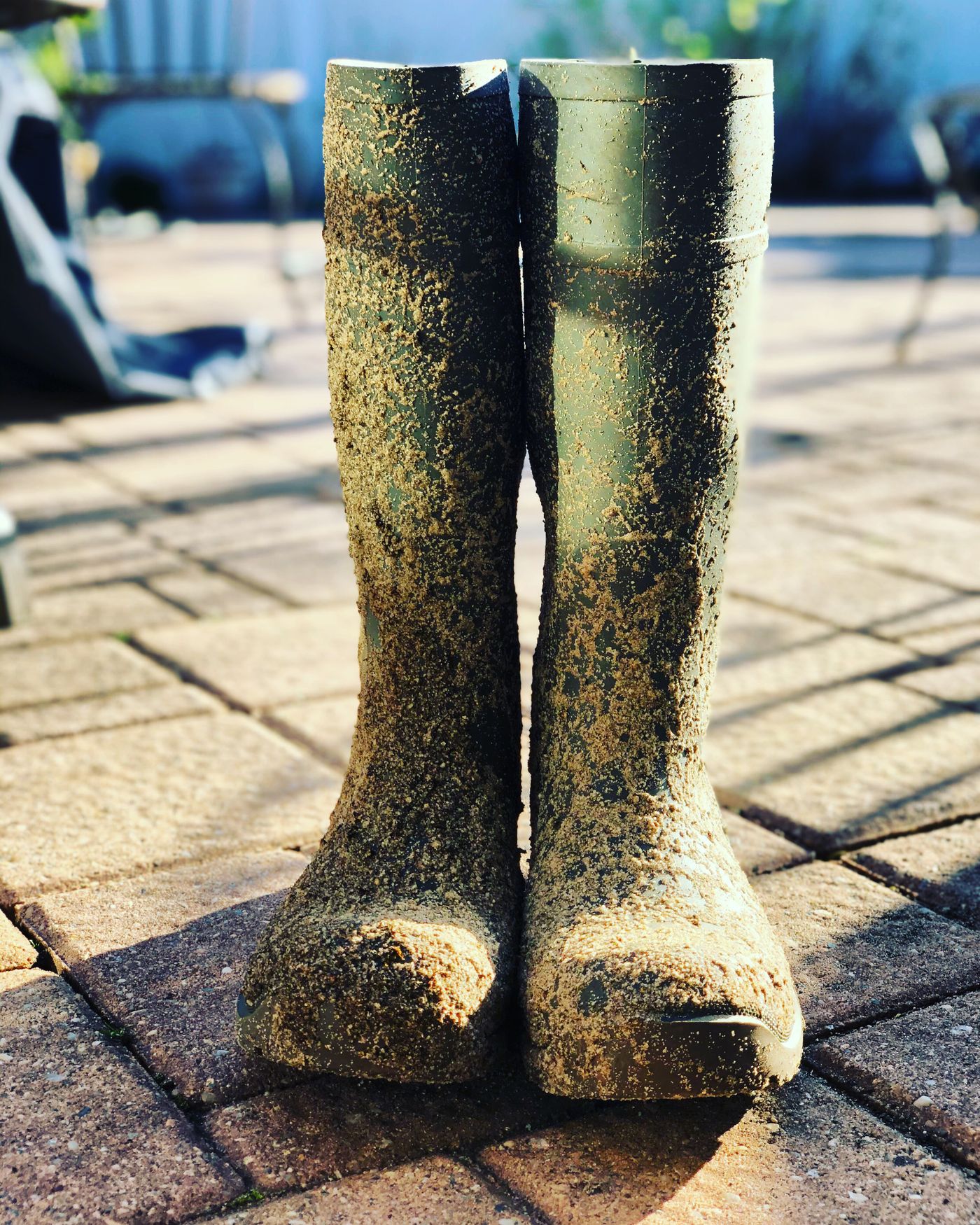
The hardest part of an outdoor family day can happen after reaching home. Muddy footwear lands beside school shoes, wet coats cover the only chair and the outing bag remains closed until next weekend. A return plan begins before departure: identify what is likely to come home damp, where it can be cleaned and how it will dry according to its care instructions.
Give the doorway a clear route
Keep a practical walking route free of bags and loose footwear. Decide where outdoor shoes come off and where clean indoor items wait. An existing washable tray or suitable floor area may be enough; choose according to the surface and amount of moisture involved. Avoid arrangements that create a slippery patch or obstruct an exit while everybody is trying to come inside.
Have an adult manage the first few minutes when younger children need help. Deal with immediate comfort and supervision before sorting every pocket. A simple order—bags down, outdoor shoes off, layers handled—can make the transition understandable without turning it into a rigid performance. Adapt the sequence to the people and weather rather than insisting every outing ends identically.
Separate dirt from wetness
Different items need different care. Follow footwear and garment instructions before brushing, rinsing or machine washing. Some materials should not be soaked or exposed to direct heat. Remove loose contents from bags and pockets as appropriate, and keep any collected natural objects apart from clothing until an adult has checked them. Do not leave damp fabric sealed in a bag as a storage solution.
Set aside reusable food and drink containers for their normal cleaning routine. Keep wrappers and waste apart from belongings that will be reused. If an outing involved specialist equipment, follow the maker’s care guidance rather than applying the same cleaning method to everything. A waterproof claim does not mean every seam, coating or component tolerates any treatment.
Make drying part of the plan
Choose an appropriate ventilated drying place and protect surrounding surfaces. Arrange garments so air can reach them as their instructions permit. Check cuffs, pockets and layered areas before declaring something ready to store. A coat that feels dry on the outside may still have a damp folded section. Avoid placing items on heaters unless their guidance specifically permits the method.
If space is limited, prioritise items needed soon and spread the remaining care tasks realistically. Identify the piece that routinely causes a bottleneck. A second hook or moving an existing rack may help more than buying a complete new storage system. Keep drying arrangements away from walkways and any hazards relevant to the household.
Refill the outing bag after care is finished
Return only clean, dry items and remove things that no longer belong. Check the next outing’s needs rather than preserving the last trip’s contents unchanged. If a replacement or repair is needed, write it down while the issue is visible. Check repair options and instructions before assuming a worn item must immediately be replaced.
Can everything wait until laundry day?
Some cleaning can be scheduled, but damp items should be handled promptly according to their care guidance. Separate unfinished care from ready-to-use belongings.
Is a dedicated mudroom essential?
No. A small home can use a defined temporary return area, provided it remains safe, manageable and easy to restore to its next use.
Connect the return plan with the family entryway reset and garden play storage so outdoor time does not leave a permanent indoor pile.