Garden Play Storage That Makes Packing Up Easier
Organize outdoor toys and family garden gear around drying, access, safe storage, and the space available beside the door.
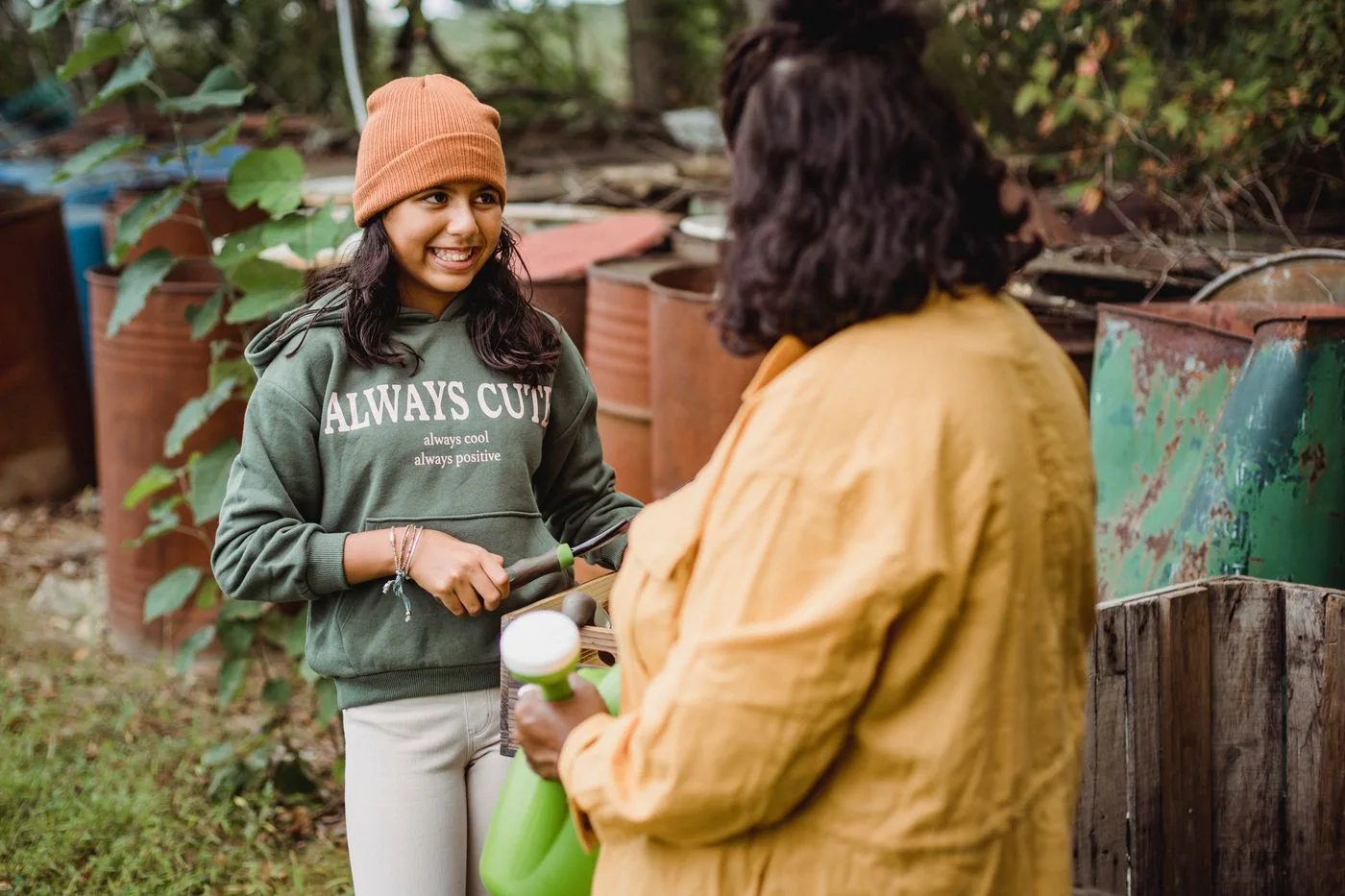
Outdoor toys tend to arrive indoors in two states: scattered or damp. A practical storage plan gives them a place to pause before they reach the hallway. Begin by separating play equipment from garden tools and maintenance products. The categories may share a garden, but they should not automatically share accessible storage.
Observe the route back into the house. If everything is carried through one door, a storage box at the far end of the garden may be ignored. Choose a location that supports cleanup while preserving clear access and following any product or local placement requirements.
Sort by weather and frequency
Keep the toys used most often within suitable reach, with seasonal items elsewhere. Check the manufacturer’s storage instructions for outdoor equipment. An object sold for garden use may still need protection from prolonged exposure or particular temperatures. Do not assume leaving everything outside is the intended care routine.
Separate items that need drying from those ready to store. Closing damp fabric or equipment inside a sealed box can create an unpleasant next outing. Use a suitable drying arrangement and follow product guidance. Avoid blocking doorways, vents, or other important access while items wait.
Check the box beyond its capacity
When comparing outdoor storage, inspect the lid, hinges, ventilation, and intended use. Read warnings about children and follow installation or anchoring instructions. A large chest is not automatically suitable as a seat, and a lockable lid does not remove every safety concern. Choose products specifically suited to the household and their location.
Measure the largest item in its stored form. A scooter, folded net, or long toy may fit poorly even when the advertised volume sounds generous. Consider the opening size and the room needed to lift the lid. Useful access matters as much as total capacity.
Make cleanup categories obvious
A bin for balls and a separate place for small outdoor toys may be enough. Too many tiny compartments can slow down the end of play. Use broad labels or a simple picture system if helpful, and keep the items a child can manage separate from equipment that needs adult handling.
Create a consistent home for footwear and removable layers. The garden door can otherwise become a second disorganized entryway. A suitable tray or designated drying area may help, provided it does not create a slipping or tripping problem. Keep the route usable when the storage is full, not only when it is empty.
Keep maintenance equipment separate
Store tools, batteries, chemicals, and machinery according to their individual instructions in secure, appropriate locations away from children’s play access. Do not place them in a toy box for the sake of convenience. This separation should be planned before buying a shared outdoor cabinet.
If a household is considering powered garden equipment, assess storage, charging where relevant, and operation requirements independently from the play area. A tidy garden is not a reason to combine incompatible storage needs. Let the manuals and the actual layout guide the arrangement.
Before buying storage
- List what genuinely needs to live outside.
- Read storage and care requirements for those items.
- Measure the opening as well as the box.
- Check lid behavior and relevant warnings.
- Plan a place for damp equipment to dry.
- Keep maintenance items securely separate from toys.
Common questions
Does weather-resistant mean waterproof?
Do not assume it does. Read the exact product claim and exclusions. Consider where the box sits and what its contents require.
Should every outdoor toy stay outside?
Only when its instructions and condition support that. A small rotating selection may be more manageable than a permanently exposed collection.
How can garden storage connect to indoor organization?
Use the same clear categories as the entryway reset, while accounting for moisture and outdoor care needs.