Give Sports Kit a Route from the Bag Back to the Next Session
Keep worn sports clothing, reusable equipment and clean replacements from becoming one mixed pile before the next family activity.
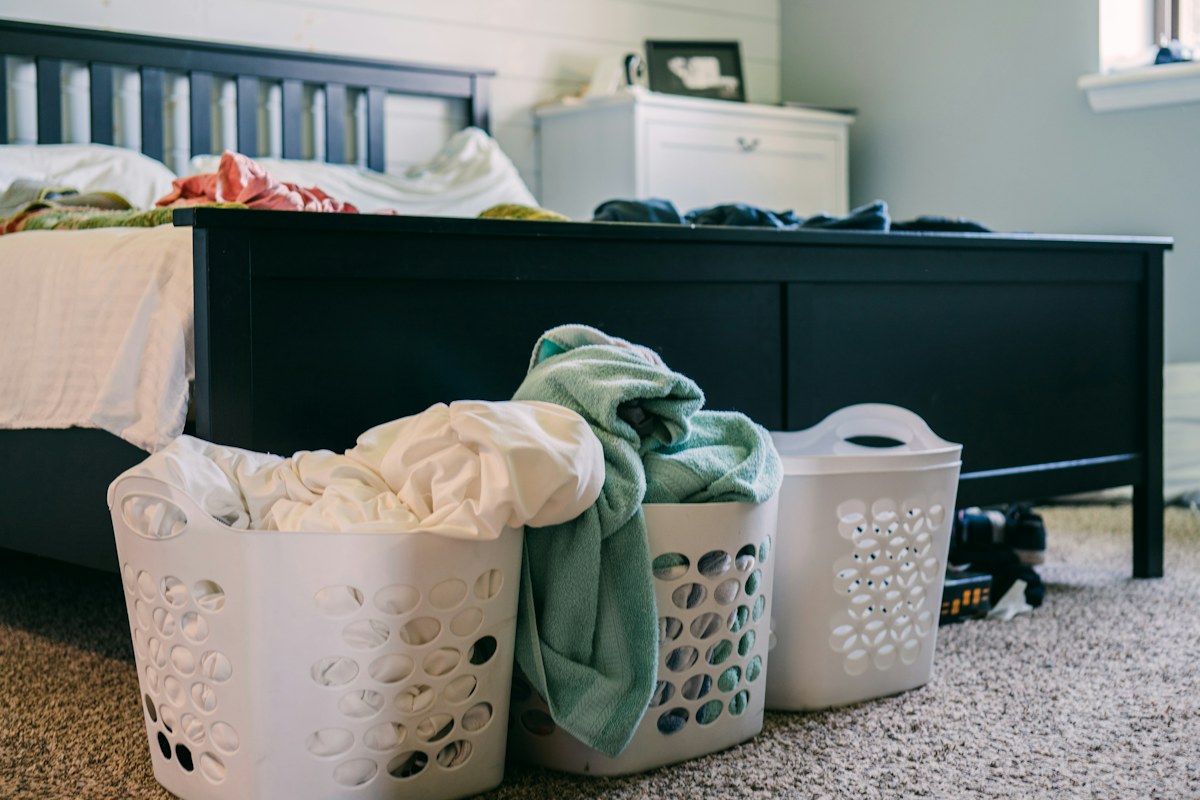
A sports bag often works well on the way out and badly on the way home. Clean clothes, used clothing, drink containers and equipment all return to the same pocket. By the next session, someone discovers the missing sock or an item left damp. A useful routine follows the contents from arrival through cleaning and drying to repacking, using the care guidance for each item.
Unpack by the next job
Choose an arrival point that is easy for the family to reach. Remove used clothing rather than storing it in the closed bag until laundry day. Follow its care instructions, including any guidance about separating colours or removing accessories. Give reusable containers their own cleaning route. Equipment may require a different method from clothing, so do not place everything in the washing machine simply because it came home together.
Help a child take part in an age-appropriate step, such as emptying the clothing compartment with an adult nearby. Keep cleaning products and other unsuitable supplies out of children’s reach. A picture of what should leave the bag can be more useful than a long written checklist, especially when the same small set of items returns each week.
Keep the dry stage visible
Do not repack an item merely because the washing step is finished. Check that it is fully dry in the way its instructions require. Padding, seams and enclosed compartments can need particular attention. Give each item enough suitable drying space rather than balancing damp layers in a stack. When equipment has maker-specific cleaning directions, follow those instead of transferring a clothing routine to it.
If the household has limited drying space, make that constraint part of the schedule. Washing every uniform at the last possible moment can leave no practical recovery time. A modest spare may help where the activity and budget justify it, but it will not solve a bag that nobody unpacks. Establish the return route before buying duplicate kit.
Repack from a short activity list
List what the actual session requires: clothing, appropriate footwear, activity equipment and any paperwork specified by the organiser. Keep unrelated toys or school materials elsewhere. Check present fit and condition periodically. A kit list should change when the activity changes rather than carrying an obsolete item for an entire term.
Keep pairs together in a way that does not obstruct drying or cleaning. A labelled return compartment can help once items are ready. Mark belongings as the organiser recommends and avoid putting unnecessary personal details on externally visible labels. If a child uses more than one activity bag, distinguish the bags clearly so the right equipment travels to the right place.
Deal with the recurring missing piece
When the same item disappears repeatedly, trace its last useful location. It may stay in a changing room, wait on a drying rack or be borrowed by a sibling. Give that specific item a handover step instead of adding a vague reminder to be organised. Confirm lost-property procedures with the activity provider when needed.
Should the bag stay packed all week?
Only with clean, dry items that belong there. Remove used contents promptly and repack after care is complete. A permanently closed bag can hide unfinished work.
Is a special laundry organiser necessary?
Usually start with the storage and laundry arrangements already available. Add something only when you can identify the precise step it improves.
Connect this routine with family mornings and the clothing care guide so kit returns to use without another last-minute search.