A Family Picnic Kit for the Park Down the Road
Pack a manageable picnic around safe food handling, comfortable seating, practical containers, and the trip you are actually taking.
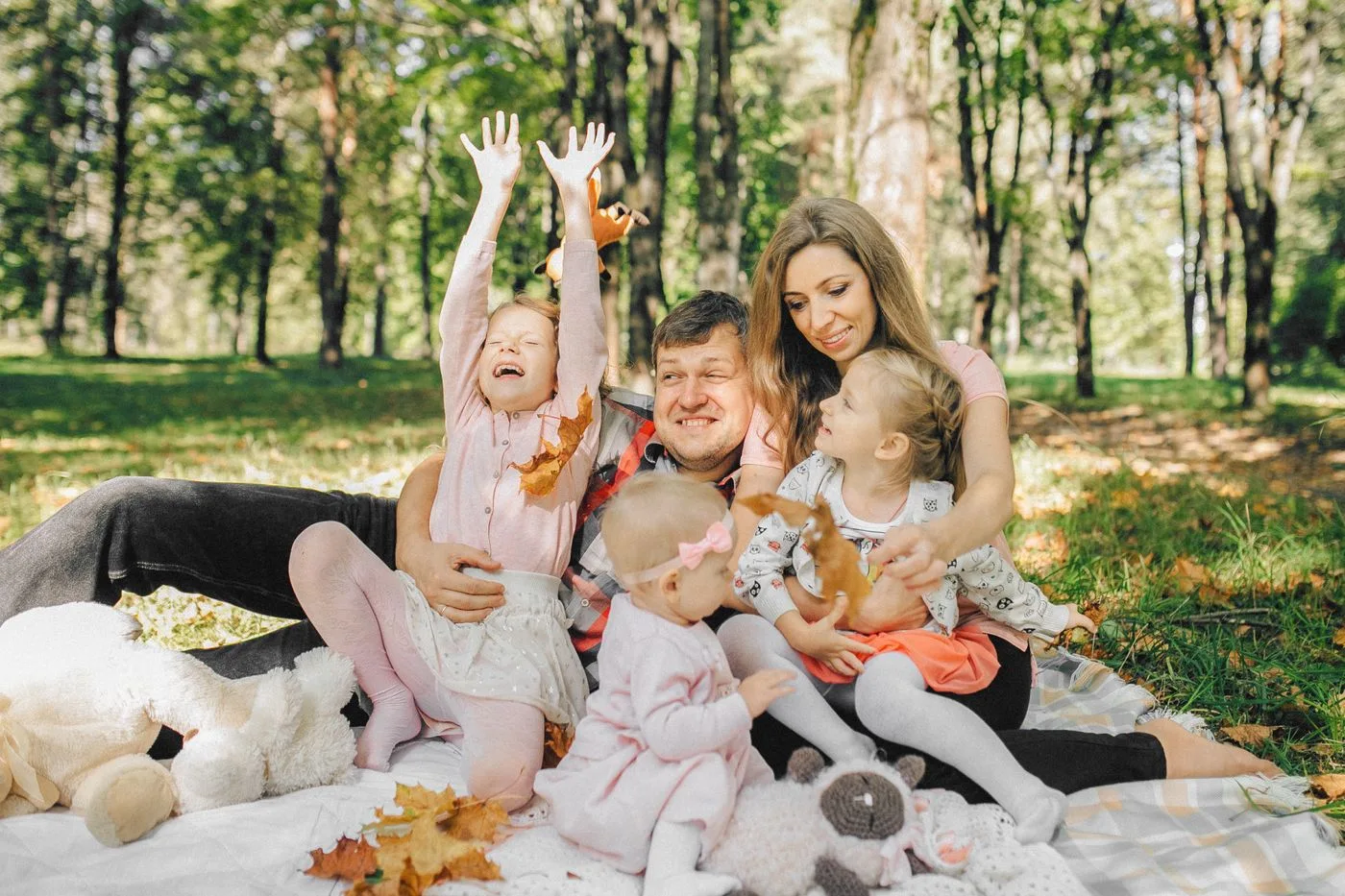
A local picnic can be the easiest weekend plan until the packing turns into preparation for a small expedition. For a park close to home, a compact kit often works better than a special basket filled with fragile tableware. Start with the journey, the people attending, and a realistic meal rather than a styled photograph.
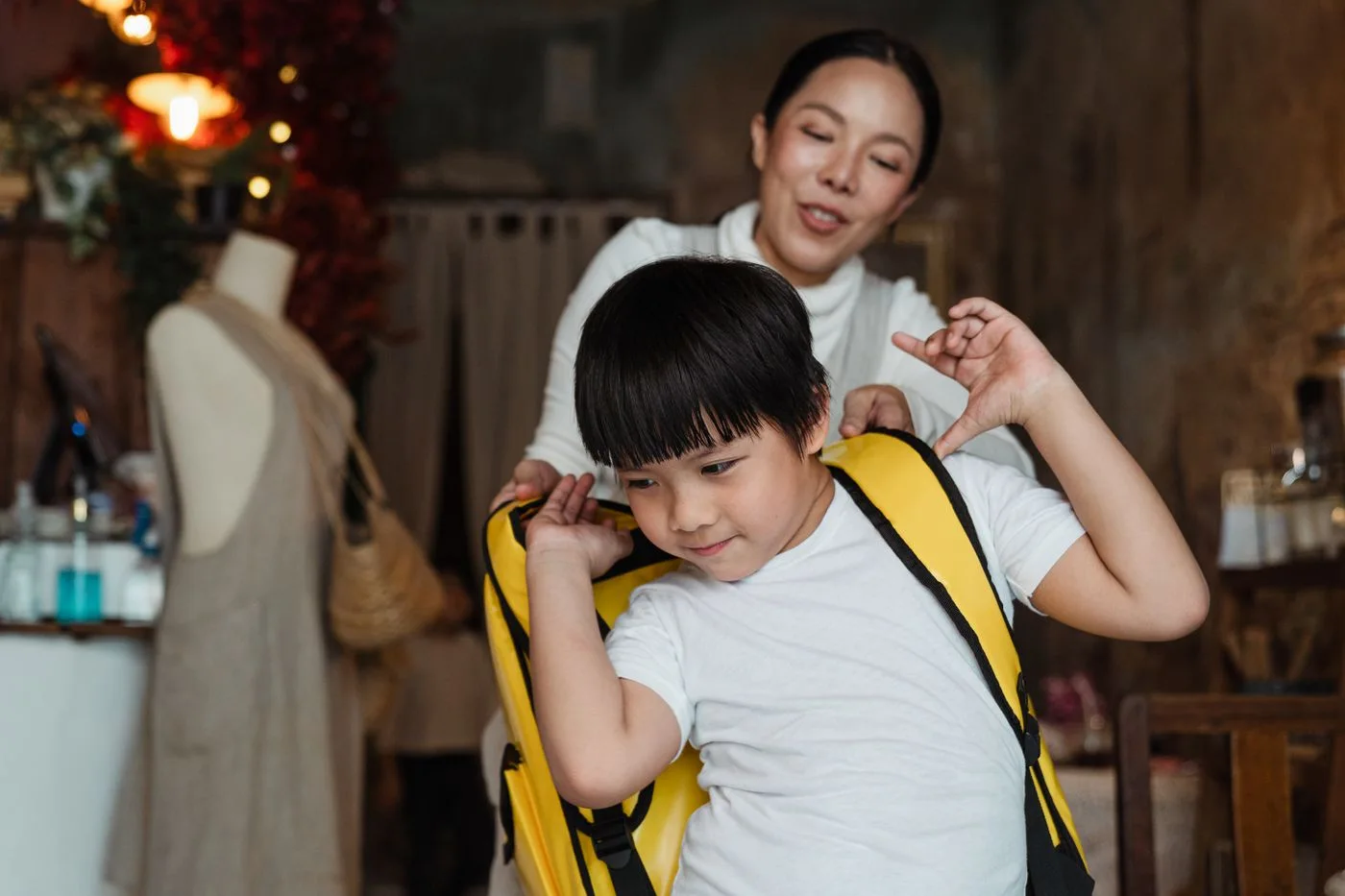
Decide whether you will walk, use public transport, or park nearby. Weight matters more when one adult is also managing a stroller or holding a child’s hand. Choose a bag you can carry comfortably, then let its useful capacity limit the extras.
Plan food around the outing
Pick familiar foods that are manageable outdoors and suitable for everyone’s dietary needs. Consider how much assembly is required on the blanket. A meal that needs several open containers, sharp tools, and a perfectly flat surface may be enjoyable at home but awkward on uneven grass.
For perishable foods, follow current official food-safety guidance and the instructions for your cooler or insulated bag. Do not treat an attractive lunch bag as proof that food will remain at a suitable temperature. Check the weather, travel time, and access to appropriate storage before deciding what to bring.
Choose containers that earn the carrying space
Leak-resistant closures are helpful, but verify the manufacturer’s claim and intended use rather than assuming every clip-top container handles liquids. Practice opening the boxes before leaving if children will use them independently. A secure lid that requires adult help for every bite may not suit that stage.
Use the containers already available where practical. Buying a matching picnic collection is unnecessary if ordinary food boxes stack well and meet the relevant care and food-use instructions. Pack an empty bag or container for used items so the clean and dirty parts of the kit stay distinct on the return trip.
Make sitting down straightforward
A blanket with a suitable backing can be useful on damp ground, but check its care and drying requirements. Measure the usable area against the people attending. A blanket that looks generous when folded may leave little room once bags and food are added.
For anyone who finds the ground uncomfortable, consider existing portable seating appropriate for the location. Check weight limits, stability, and carrying size before purchasing chairs. Keep the setup clear of paths and follow local park rules. Comfort is worth planning, but hauling several heavy items can take the ease out of a short outing.
Leave space for the change of plan
Take water and appropriate weather protection, and know where toilets and shelter are located. These practical details matter more than an additional serving board. If the forecast or facilities do not fit the group’s needs, choose a shorter trip or another location without treating the change as a failed weekend.
Bring a modest activity that is welcome in that space, such as a book or a suitable ball. There is no need to schedule the whole afternoon. The park itself may provide enough interest, and fewer loose objects make departure easier when everyone is tired.
A compact packing checklist
- Food suited to the transport and storage available.
- Appropriate cooling where required.
- Water, usable containers, and necessary utensils.
- A comfortable place to sit.
- Hand-cleaning supplies appropriate to the outing.
- A way to carry every piece of rubbish and used equipment home.
Common questions
Is a picnic basket worth buying?
It depends on transport and storage. An insulated backpack or an existing tote may be easier to carry. Buy the form that solves your recurring problem.
How much should children carry?
Keep loads appropriate to each child and the journey. A small personal item may be enough; adults should plan for the essentials.
What helps for a longer day?
Use the weekend packing guide to separate essentials from optional extras before adding more equipment.