Agree Which Pantry Package the Household Opens Next
Agree which pantry package the household opens next, keeping duplicate stock understandable and retaining the information needed for the food actually in use.
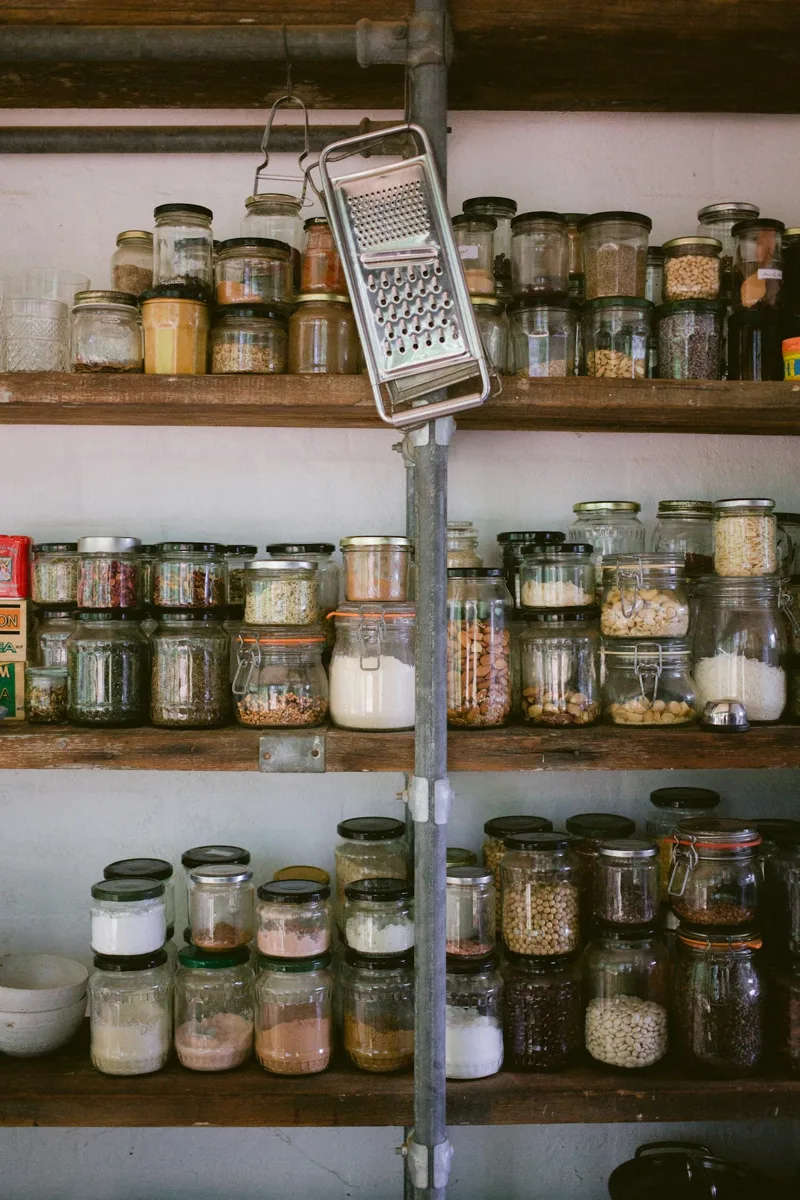
Two open packages of the same pantry item can appear within a few days when nobody knows which one is current. The solution is often a clearer opening decision rather than another set of containers. Give the household an obvious next package while keeping product information available.
Check the packages as separate items
Put similar packages together long enough to read their labels. Check whether they are actually the same food, size and variety. A similar-looking packet may have different ingredients or a different intended use, so do not merge products simply to make the shelf look uniform.
Keep the original dates and storage instructions readable. Choose the next package according to the relevant information and condition of the food, not solely its position on the shelf. If something is damaged or unclear, resolve that separately rather than hiding it at the back.
Make the current package easy to identify
Give the open package a clear working position that the household already uses. If the packaging can be closed suitably, retain it rather than automatically transferring everything into a jar. The current item should be reachable without pulling several unopened packages out first.
If a suitable container is used, keep the necessary product and date information associated with its contents. Do not pour a new package onto an unidentified old remainder. A tidy full jar is not helpful when nobody can tell what is in it or which instructions apply.
Tell the next person what the position means
A small household agreement can be enough: use the open packet in front before opening the matching reserve. Explain the arrangement to the people who actually prepare food, rather than assuming the shelf layout communicates itself.
Allow for legitimate exceptions. Someone may need a different variety for a particular recipe or food requirement. Keep that package distinct rather than treating every similar item as interchangeable. The goal is to avoid accidental duplicates, not to prevent someone from choosing the food they need.
Review when a package is finished
Once the current item is empty, clear its packaging appropriately and move the selected reserve into the working position. Update the shopping list only after checking what remains. A reserve is not missing merely because it has moved from the back of the shelf to the front.
Notice whether the same food repeatedly has several open versions. It may be stored in more than one place, or the household may not agree which size is practical. Solve that specific cause before buying another organizer. A clear next-opening choice makes ordinary pantry use understandable without requiring every package to look the same.
Related reading
A Shared Household List That Prevents Duplicate Purchases, Intentional Family Shopping: Give Every Purchase a Clear Job.