Check an Empty Laundry Basket Before Returning It to Use
Check the empty laundry basket for stray items, damp patches and a clear next role before returning it to the household collection or clean-clothes routine.
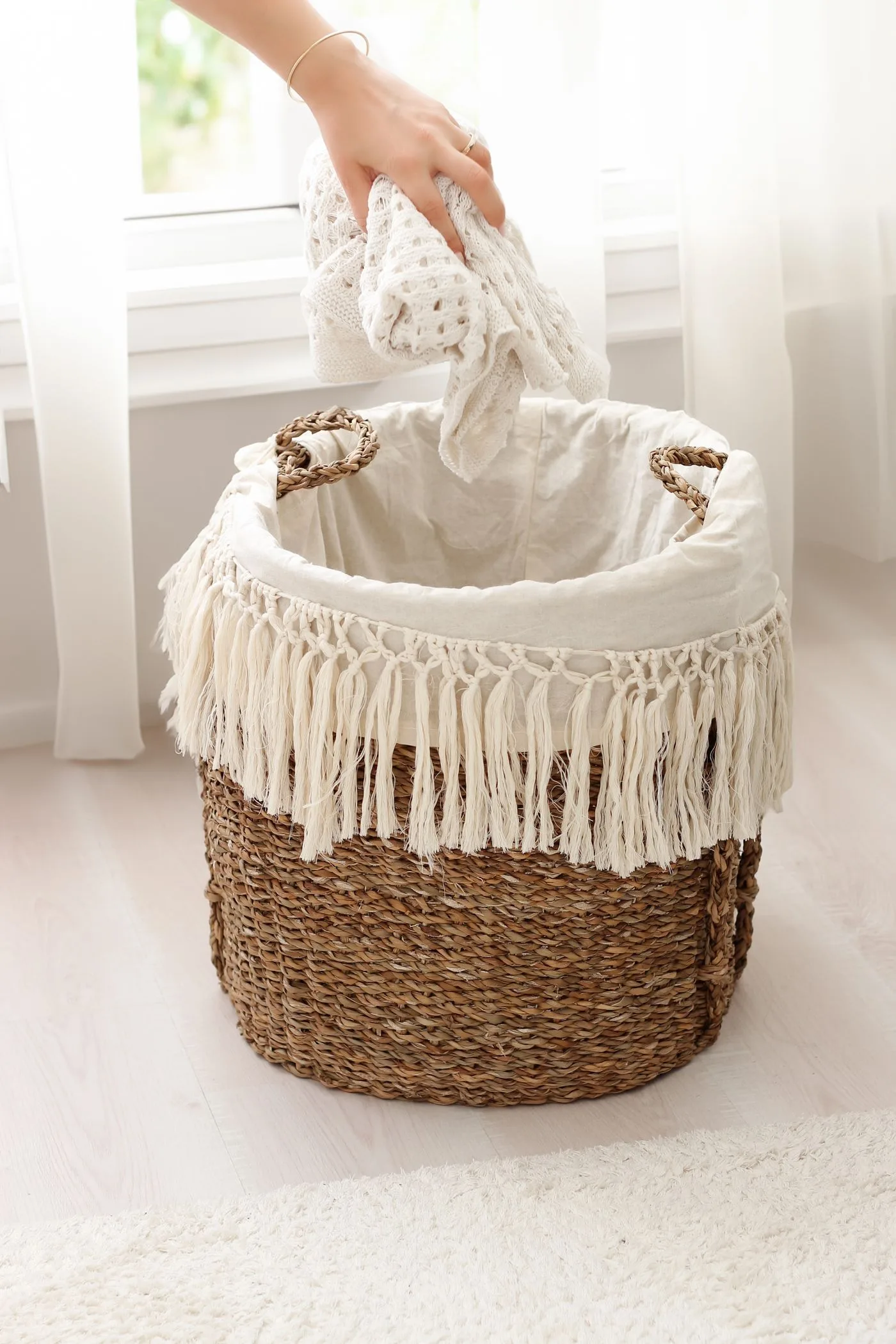
An empty laundry basket is easy to send straight back into use without looking inside. A sock can remain tucked in a corner, a loose object can hide beneath the liner and a damp patch can be carried into the next load. Make the empty moment a short checkpoint rather than a new cleaning project.
Identify the basket's next job
Decide whether this basket collects used laundry or carries clean clothes. If the household uses separate baskets for those roles, keep that distinction clear. A basket that has just held damp or dirty items should not automatically become the clean-clothes carrier without suitable attention.
Check its condition against that next use. A dry, clear basket may be ready for its normal place. A damp liner or visible residue needs a different next step. Follow the basket's material and care instructions rather than assuming every woven or fabric part can be washed in the same way.
Look in the corners before replacing a liner
Lift a removable liner only if its design permits it, and look beneath it. Small clothing items and loose objects can collect where the fabric folds. Put found belongings in their appropriate return place rather than leaving them on top of the next laundry load.
Do not reach blindly into an unfamiliar object or a hidden pocket. Inspect visibly and handle anything unexpected appropriately. The purpose is an ordinary check of a household container, not to sort unknown contents by touch.
Check the handles and the carrying movement
Look at how the empty basket is lifted. A loose handle, snagging edge or unstable base can make the next full trip awkward. If a part appears damaged, set the basket aside for an appropriate decision rather than returning it to the route as though nothing has changed.
Consider the normal load too. A very large basket may encourage the household to wait until it is difficult to carry. Two manageable trips can be more practical than filling the largest available container. Keep the route to the basket clear enough that it can be lifted without moving shoes or bags first.
Return it with one clear signal
Put the ready basket in its agreed position. If it is waiting for care or repair, keep it out of that ready position so the next person does not have to inspect it again to understand its status. A short note can explain a temporary change if the usual basket is unavailable.
Keep this checkpoint brief. Once the basket is empty, suitable for its next role and in the right place, the job is complete. If the same stray item or damp liner repeatedly delays the return, review that specific part of the laundry route separately. The useful habit is finishing the current cycle clearly before starting another.
Related reading
A Calmer Laundry Routine for Family Clothes, Label Shared Laundry So Clothes Return to the Right Child.