Plan a Small Dough Session Around the Real Working Surface
Plan a small family dough session around the actual working surface, leaving room for the recipe’s dimensions and a suitable next destination before starting.
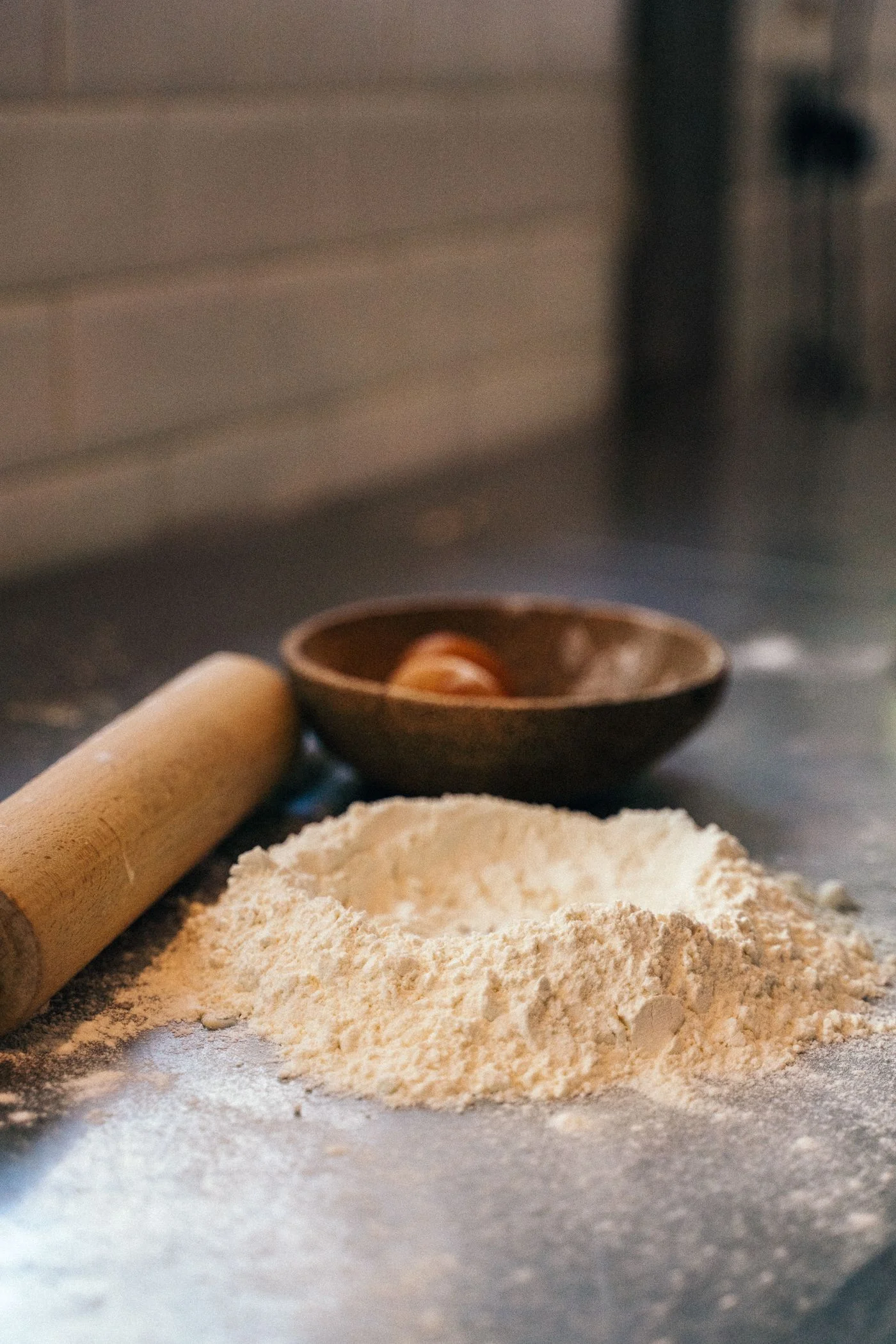
A small dough project can occupy more table space than the ingredients suggest. The rolling tool, the dough's intended shape and the next tray all need room at different points. Plan that sequence before the family activity begins, so a shared table does not become an improvised route across other household tasks.
Choose one understood recipe
Read the method, intended yield and equipment together. Keep the project bounded rather than preparing several different doughs to provide more activity. A clear recipe gives the household a common reference for the required shape and next stage.
Identify the preparation and handling steps that need adult responsibility or supervision. Keep helping roles appropriate to the participants and the actual materials. A family activity does not mean every action or tool is suitable for every person involved.
Map the working area
Choose a suitable clean, stable food preparation surface and any appropriate protective or working material required. Mark the recipe's intended dough dimensions on a separate reference where useful. The whole tabletop does not need to become the active area.
Add the full rolling tool and the hand movement around it. A pin's handles can extend well beyond the dough. Leave the working route clear of bowls, devices and unrelated papers, rather than trying to use a narrow leftover gap between them.
Prepare the transfer before rolling
Set the suitable next pan, tray or other destination where it can be reached appropriately. Follow the recipe's method for moving the prepared dough. Do not wait until it has reached its final shape to discover that the intended tray is occupied or stored elsewhere.
Keep ingredients for later stages separate and appropriately stored until required. A topping or finishing item can be part of the plan without covering the current rolling surface. Clear stage boundaries give another household member a more understandable helping role.
Include a real stopping point
Decide which part of the project this session is intended to complete and read any later waiting, cooking or care requirements. Do not pause at an arbitrary point that conflicts with the recipe. If the available time cannot support the method, choose a different activity before starting.
Once the dough stage is complete, attend to tools and surfaces using suitable food handling and material care. Return unused ingredients appropriately and give the table back to its next role. Keep any remaining recipe responsibility explicit between adults rather than assuming someone else will continue it.
Afterwards, note the single space problem that mattered most. A bowl may have been in the wrong position or the tray may have needed a clearer route. Change that practical detail next time. A successful small dough session is an understood sequence in a real family space, not an expanded activity that fills every available surface.
Related reading
Match the Weekend Baking Idea to Equipment Already Owned, Agree Suitable Helping Roles for a Family Meal.