Check a Child’s Day Bag Against the Actual Plans
A child's day bag can retain items from several earlier activities while missing what the current plan genuinely requires.
Choose the actual plans for today
A child's day bag can retain items from several earlier activities while missing what the current plan genuinely requires. Check the actual destination, activity and responsible adult arrangements before adding another product. A familiar bag list is a reference rather than automatic instructions for every day.
Keep adult responsibility for suitability, personal requirements and any provider or school guidance. Children can participate in ways appropriate to their understanding without being made solely responsible for the whole day's preparation.
Identify the suitable contents
Name the actual items and their required forms, including associated parts where relevant. Similar-looking products should not be assumed interchangeable. Keep personal information proportionate to the people who appropriately need it.
If a school or provider requirement matters, check the current relevant information directly. Do not rely on a remembered request from another activity. Mark unanswered questions clearly rather than allowing a tick beside the category to suggest everything is settled. If the plan includes returning a borrowed book, name the actual copy and lender arrangement. Keep that handover distinct from a general reading choice, so the familiar category does not hide the specific item needed today.
Check the bag as a complete product
Read the bag's actual loading, handling and care requirements and consider the intended person's use. Include the full opening and compartments rather than only the exterior dimensions. Avoid overfilling the bag to preserve an unrealistic all-day reserve.
Our lunch equipment guide considers one possible contents group. Product compatibility and appropriate care remain separate from whether something physically fits inside a compartment.
Make the adult handover clear
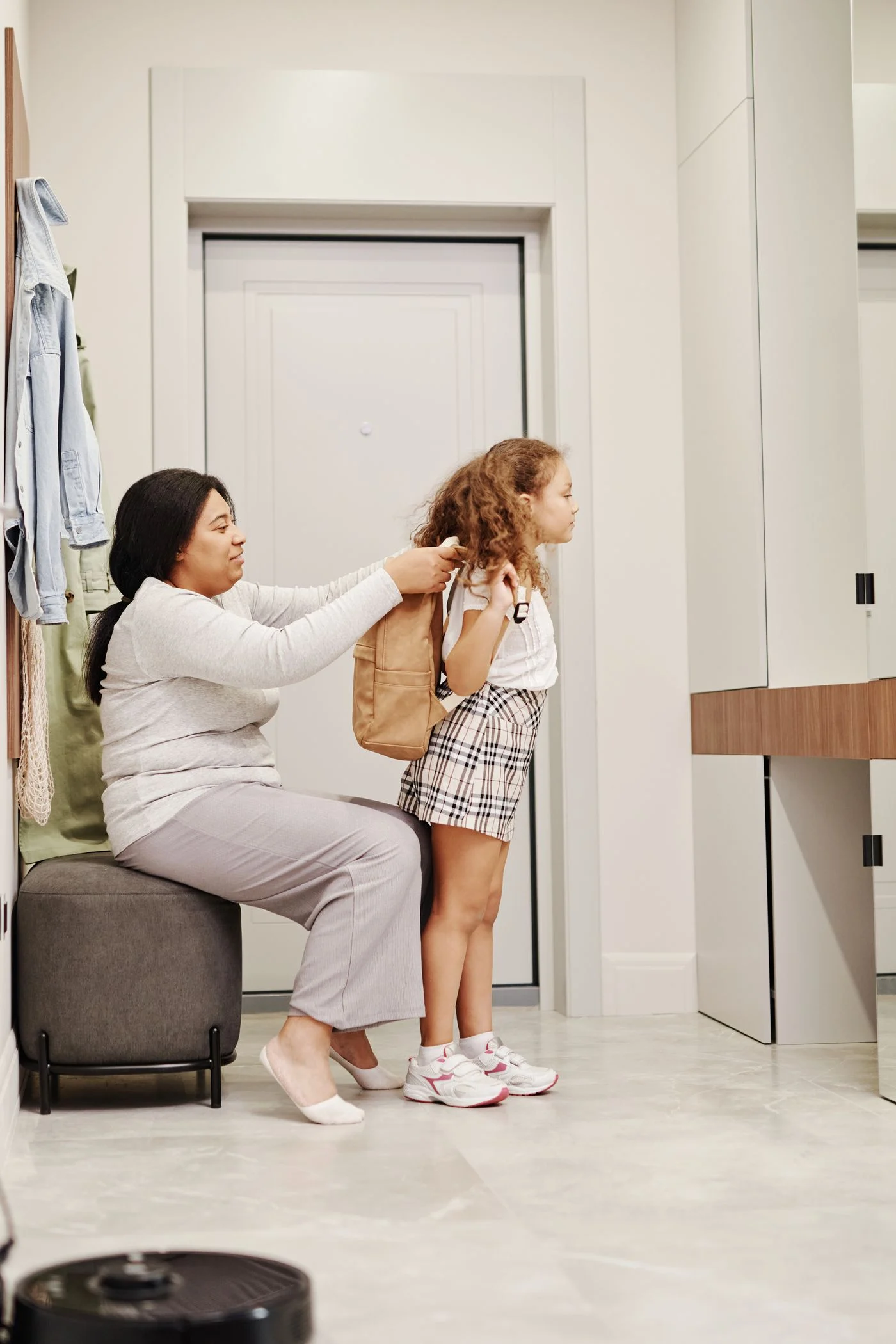
Agree who checks the final group and who handles any item still in use before leaving. A child can identify familiar belongings with suitable help while the responsible adult confirms actual requirements. Keep shared and personal equipment distinct.
Our morning routine guide supports a manageable sequence. A bag beside the door is not necessarily ready if the current plan changed after it was packed.
Include the return from the day
After the activity, move belongings to their appropriate next care or storage stages and remove items whose role has ended. Keep borrowed identity and any school return requirement clear. Do not leave an uncertain group inside the closed bag merely to tidy the entrance.
Our bag return guide supports that later handover. A useful current-contents check leaves the bag suited to the actual day without turning every departure into a complete household inventory.
Current-bag questions
Can an old list be reused unchanged? Check the actual plans and requirements first.
Does a packed bag prove readiness? Keep final adult checks and unresolved questions clear.
What happens to yesterday's contents? Give each group its actual next stage before preparing the new plan.